Sidney Crosby's Honest Reaction to Canada's Painful Olympic Hockey Loss
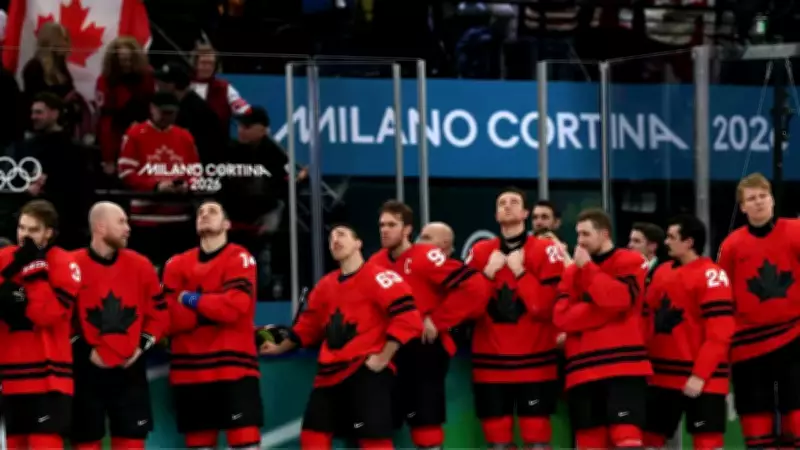
Inside the stunned arena at the Milano Cortina 2026 Winter Olympic Games, Canada's players stood frozen in place as the United States celebrated a dramatic 2-1 overtime victory for the gold medal. The silence that followed the final horn carried the weight of a nation processing a heartbreaking defeat that reopened familiar questions about legacy, depth, and the fine margins separating hockey's fiercest rivals.
The Absence That Hung Over the Game
For Canada, hockey represents more than just a sport—it is memory, pride, and expectation stitched together into a national identity. Losing any final hurts deeply, but this particular loss cut with exceptional sharpness. The absence of Sidney Crosby, the iconic face of Canada's golden generation, created a palpable void throughout the championship match. When Jack Hughes scored the sudden-death winner for the United States men's national ice hockey team, it marked a painful turning point against their northern neighbors.
Sidney Crosby never made it onto the ice for the final contest. A lower leg injury suffered earlier in the tournament forced the difficult decision to keep him sidelined. For a player who built his legendary reputation on delivering in defining moments, watching from the outside tested his emotional resilience in ways few games ever have.

Crosby's Emotional Perspective
"You want to be out here and you want to find any way possible, but not at the expense of what needs to be done," said the longtime Pittsburgh Penguins captain with visible emotion. "And watching the way we played today, guys played incredible."
The hockey superstar acknowledged feeling the helplessness deeply. "I can feel that it's a lot easier playing than watching. But I think everybody should be proud of the way the team performed. I thought that, obviously, we did everything but score. In every facet, we were so good today. I thought we deserved better, and unfortunately, we didn't come away with the win."
There was striking honesty when Crosby addressed how close he came to returning to action. "I was pretty close. Yeah. Ultimately, I wasn't able to go out there and do what I needed to do in order to help the team. And at that point, you've got to make the decision that's best for the group. Not an easy one, but that's hockey."
Legacy and Future Considerations
At 38 years old, Crosby understands the ticking clock of athletic careers better than anyone. When asked if this could have represented his final Olympic moment, he did not hide from the difficult thought. "It might have crossed my mind a little bit. But ultimately it was about what's best for our group."
He repeatedly returned to themes of pride and performance. "I thought one of our best games was probably today, and unfortunately, it doesn't go for us. But like I said, just really proud of the group, and the way we competed and the way we played."
Years earlier, Crosby delivered the legendary golden goal at the 2010 Winter Olympics in Vancouver, securing his permanent place in Canadian sports folklore. This time, he could only watch from the sidelines as hockey, cruel in its competitive honesty, offered no storybook ending—only perspective gained through painful experience.
The defeat represents more than just a single game result. It symbolizes the evolving dynamics between North American hockey powers and raises questions about Canada's future international dominance. While the United States celebrated their hard-fought victory, Canadian players and fans were left to process what might have been with their iconic leader available on the ice.