The Olympic Dream That Ended on the Gallows
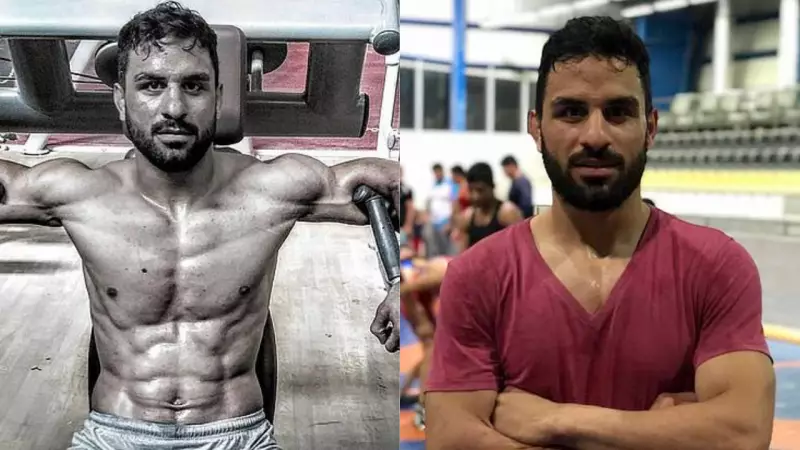
Navid Afkari held a simple yet powerful dream. He wanted to wear Iran's colors at the Olympic Games. The young wrestler possessed the talent and dedication to make it happen. Coaches saw him as a future Olympian by age twenty-three. He worked daytime labor jobs to support his rigorous training schedule. His life followed the path of a dedicated athlete striving for national pride.
From Wrestling Mat to Protest Lines
Everything changed in 2018. Iran experienced widespread protests over economic hardship and social restrictions. Afkari joined these demonstrations in his hometown of Shiraz. This decision would alter his destiny completely. Shortly after the protests, authorities arrested Afkari along with his two brothers. They faced a shocking accusation: the murder of a security guard during the unrest.
Afkari maintained his innocence from the beginning. He claimed investigators tortured him into giving a false confession. Human rights organizations examined his case closely. Amnesty International called his trial "grossly unfair." They noted he lacked proper legal defense opportunities. The court proceedings moved forward despite these serious concerns.

International Appeals Fall on Deaf Ears
The global sports community watched with growing alarm as Afkari's situation worsened. Prominent figures made extraordinary efforts to save him. Former US President Donald Trump publicly appealed to Iranian authorities. He posted on social media, asking them to spare the wrestler's life. UFC President Dana White released an emotional video plea for mercy. He emphasized Afkari's humanity and his value as a person.
These international interventions failed completely. Iranian courts sentenced Afkari to death on two charges. The first involved the alleged murder. The second charge proved particularly chilling: "waging war against the state" simply for participating in protests. His brothers received lengthy prison sentences. One endured approximately one thousand days in solitary confinement.
A Rushed Execution and Its Aftermath
On September 12, 2020, authorities executed Navid Afkari in Shiraz. They carried out the hanging with disturbing haste. His family received no opportunity for a final visit. The United Nations later suggested the execution served as a deliberate warning during periods of social unrest.
Before his death, Afkari recorded a poignant message from prison. He described facing numerous opponents on the wrestling mat throughout his life. None compared to the injustice of the system that condemned him. He reiterated his innocence and made a simple request: that people remember his story.
The System That Silences Dissent
Iran's political structure offers minimal space for protest. Supreme Leader Ayatollah Khamenei maintains ultimate authority. The government monitors online activity rigorously. It blocks many digital platforms entirely. This environment creates tremendous risk for anyone speaking against official narratives.
Journalist Masih Alinejad observed that Afkari became a hero only after his death. He did not seek fame or martyrdom. He merely exercised his voice during a time of national frustration. His athletic prominence made him a visible target for authorities seeking to deter future protests.
A Legacy of Fear and Memory
The repercussions continued long after the execution. Unknown individuals vandalized Afkari's grave multiple times. According to reports from Iran International, officials attempted to control his headstone inscription. They feared it might transform into a gathering point for continued dissent.
Years later, fear persists among those who might consider speaking out. Afkari's story demonstrates how little has fundamentally changed. It underscores the extreme personal cost of challenging authority in Iran. A talented athlete lost his life. A family lost a son and brother. The world lost a potential Olympic champion.
Navid Afkari's tragedy extends beyond one individual's fate. It represents the dangerous intersection of sports, politics, and human rights. His dream of Olympic glory died on the gallows. His memory lives on as a stark reminder of protest's deadly price in contemporary Iran.