The Fading Glory of Old Delhi's Traditional Wrestling Akhadas
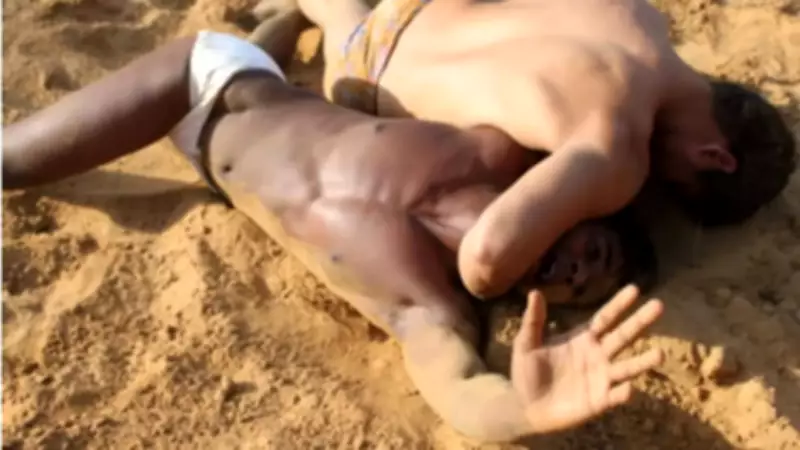
Traditional wrestling akhadas in Old Delhi, once vibrant hubs of the city's sporting culture, are witnessing a concerning decline as public enthusiasm for desi wrestling diminishes and local competitions gradually fade away. These historic centers, which were integral to community life, now struggle to maintain their relevance in contemporary times.
Remembering the Golden Era of Dangals
A former Indian wrestler recently shared insights with news agency IANS, recalling a time when wrestling dangals near Jama Masjid and other Old Delhi localities drew massive crowds. "People would travel across the city just to watch bouts," he reminisced. "It wasn't just a sport — it was community, pride, and tradition rolled into one." These events served as social gatherings where generations connected through shared cultural heritage.
Pandemic Accelerates the Downturn
The wrestler explained that the decline became particularly pronounced following the Covid-19 pandemic. The lockdowns disrupted daily training routines, halted local tournaments indefinitely, and created severe financial challenges for many akhadas. With limited support systems in place, several centers were forced to shut down permanently, while those that survived now operate with significantly fewer wrestlers than before.

Credibility Issues and Erosion of Trust
Another critical factor contributing to the decline involves concerns about competition credibility. The former wrestler alleged that fixed bouts and widespread betting drove spectators away from the sport. "When spectators started feeling that some matches were staged and betting was involved, trust broke," he stated. "Fans are smart — they can tell when something isn't real." This erosion of authenticity has had devastating consequences for the sport's reputation.
Impact on Young Wrestling Talent
The situation has particularly affected young wrestlers who once saw akhadas as viable pathways to sporting success. Due to diminishing exposure opportunities and inadequate financial support, many promising athletes have shifted to other sports or abandoned competitive wrestling altogether. This talent drain threatens the future sustainability of traditional wrestling in the region.
A Call for Institutional Revival
Despite these significant challenges, the former wrestler maintains hope that traditional mud wrestling can be revived with proper institutional backing. "The Delhi government must step in to protect and promote traditional mud wrestling," he emphasized. "These akhadas are part of our cultural heritage. If we lose them, we lose a piece of who we are." Strategic intervention could potentially breathe new life into these historic institutions.
The preservation of Old Delhi's wrestling akhadas represents more than just saving a sport—it's about maintaining living cultural traditions that have shaped community identity for generations. As modernization continues to transform urban landscapes, these traditional spaces face an uncertain future unless concerted efforts are made to revitalize them.