The Pro Wrestling League has injected fresh excitement into traditional wrestling with a simple but powerful rule change. When the clock hits the final minute of a bout, the points system doubles, creating dramatic opportunities for comebacks and forcing wrestlers to think strategically.
The 'Power Minute' Transforms Matches
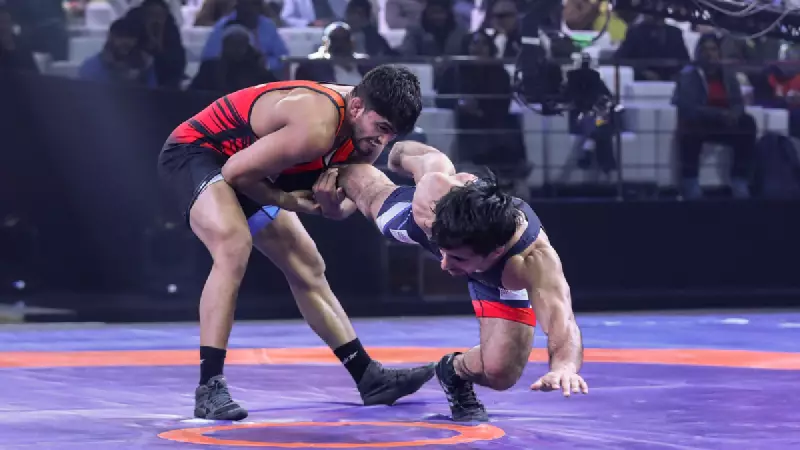
At the Noida Indoor Stadium, a red light and siren signal the start of the crucial last sixty seconds. In these six-minute contests, split into two periods, takedowns, stepouts, and falls now earn double the usual points. This innovation demands that athletes combine their physical strength with sharp mental tactics.
Canadian wrestler Ana Godinez experienced this firsthand in her opening match against India's Nisha Dahiya. Godinez lost decisively with a score of 22-4, trailing 12-0 after the first period. She admitted she hadn't planned for the final minute but now recognizes its importance.

"I feel like I should have a different strategy," Godinez said. "I'm usually an athlete that gets better throughout the match. I feel like I'm better than most of my opponents towards the end." She emphasized that a stronger start could prevent the frantic scramble for points in those closing seconds.
Chandermohan Masters the New Rule
Indian wrestler Chandermohan of the Punjab Royals has effectively used the power minute in both his bouts. Facing 2023 Belgrade World Championships bronze medallist Arman Andreasyan, he executed two successive turns in the final minute, turning four points into eight. Against Haryana Thunders' Parvinder Singh, another last-minute takedown secured a narrow victory.
"I was confused initially with the last minute format," Chandermohan confessed. "Coach saab told me to be careful in the last minute and concentrate." His success shows how quickly wrestlers can adapt to this new tactical layer.
Star Wrestlers Face Unexpected Challenges
This season highlights top talents like Yui Susaki and Antim Panghal. Susaki, a Japanese Olympic medallist renowned as one of the greatest 50 kg wrestlers, gained attention in India after Vinesh Phogat's last-second takedown at the Paris Olympics. Panghal, despite a disappointing Paris performance, rebounded with a World Championships bronze at just 21.
However, both stars received walkovers in their first matches. Panghal's opponent failed to make weight in an inconsequential bout, while Susaki didn't compete for the Haryana Steelers. These situations reveal a flaw in the team format, where marquee matches can become dead rubbers if scheduled late.
Team Format Struggles with Star Showcases
The league's structure sometimes undermines its star power. Wrestlers like Susaki, Panghal, and 65 kg U23 World Championship gold medallist Sujeet Kalkal are billed as main attractions, but team dynamics can relegate their bouts to meaningless contests. Kalkal still competed, winning 6-2 against Tevanyan Vazgen, but the issue persists.
Organizers must balance showcasing top athletes early or in the middle of team events to avoid anticlimactic finishes. This challenge highlights the ongoing evolution of the Pro Wrestling League as it blends traditional wrestling with modern entertainment elements.
The double-points rule undoubtedly adds spice, but the league continues to refine its format to ensure every match counts for both individuals and teams.