

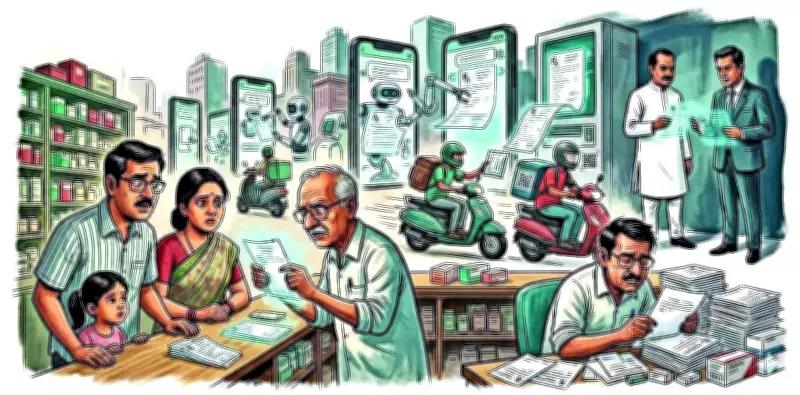
A recent sting operation by chemist associations in Ahmedabad has revealed a significant loophole in the verification processes of online pharmacies. By generating fake prescriptions using artificial intelligence, they successfully ordered medicines in the names of prominent figures, including former Prime Minister Manmohan Singh, former President Ram Nath Kovind, Union Minister Piyush Goyal, and Gujarat Health Minister Praful Pansheriya. The operation aimed to test whether e-pharmacy platforms adequately verify prescriptions before dispensing drugs.
Sting Operation Exposes Security Flaws
Jashvant Patel, president of the Federation of Gujarat State Chemists and Druggists Associations, stated that the group created AI-generated prescriptions resembling those of the mentioned leaders. They placed orders for medicines through various online pharmacies, and the deliveries were made without any verification of the medical practitioner's credentials. This, Patel argued, highlights the casual approach of some e-pharmacy platforms towards prescription verification.
"We generated AI prescriptions using names similar to Dr Manmohan Singh and former President R N Kovind. Earlier too, we ordered medicines in the name of Union minister Piyush Goyal. We even ordered medicines in the name of Gujarat health minister Praful Pansheriya," Patel said. He emphasized that if such fake prescriptions can bypass the system, anyone with a smartphone could potentially do the same, raising serious concerns about patient safety and regulatory oversight.

Regulatory Gaps and Safety Concerns
Chemist associations have long raised alarms about the lack of adequate oversight for online pharmacies and instant medicine delivery platforms. They claim that these platforms often dispense medicines based on outdated or fabricated prescriptions without verifying the authenticity of the prescribing doctor. This practice is particularly dangerous for controlled substances, such as anti-anxiety drugs, antidepressants, and psychotropic medications, which require prescriptions from licensed psychiatrists.
"Many anti-anxiety drugs, antidepressants, and psychotropic medications that require a psychiatrist's prescription are being easily delivered by online pharmacies. This is both illegal and harmful," Patel added. The associations argue that the current regulatory framework is insufficient to ensure prescription verification, medicine dispensing standards, and accountability for violations.
National Protest by Chemists
In response to these issues, the All-India Organisation of Chemists and Druggists, representing nearly 12.4 lakh chemists, pharmacists, and distributors, is staging a nationwide bandh on Wednesday. In Gujarat alone, around 33,000 chemists are expected to participate. The protest aims to demand strict rules for online pharmacies and pricing protection for small chemists, who are struggling to compete with deep-pocketed digital platforms offering aggressive discounts.
Chemist associations have also opposed two government notifications, GSR 220(E) and GSR 817(E), alleging that these provisions effectively allow online pharmacies to continue operations without sufficient safeguards. They are calling for a comprehensive legal framework to address these regulatory gaps and ensure patient safety.
Impact on Traditional Retailers
Traditional brick-and-mortar chemists argue that they operate under strict licensing and inspection rules, while online medicine platforms function in a regulatory grey zone. The aggressive discounting by online platforms is hurting small pharmacies, making it difficult for them to sustain their businesses. Despite the bandh, the association has assured that emergency medicine access will remain available to ensure patients are not inconvenienced.
The findings of this sting operation underscore the urgent need for stricter regulations and oversight of online pharmacies to prevent misuse and protect public health.






