Understanding Power Bank Capacity
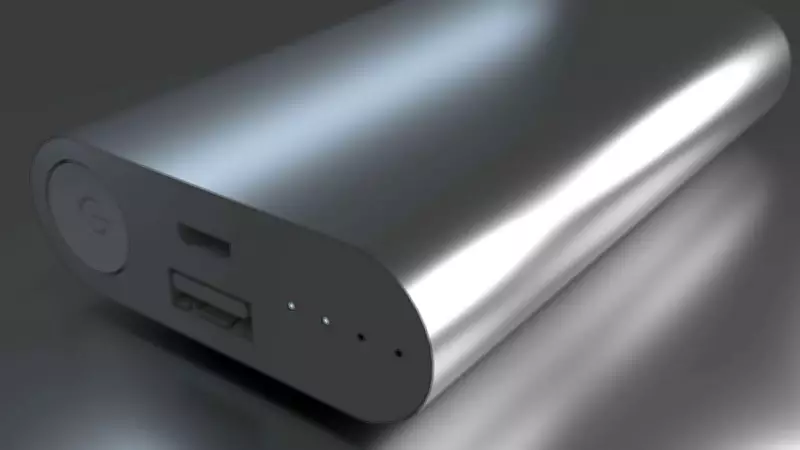
Choosing the right power bank is essential for keeping your devices charged on the go. The capacity of a power bank is measured in milliampere-hours (mAh). This determines how many times it can charge your smartphone, tablet, or other gadgets. A higher mAh means more power storage, but it also affects size and weight.
How to Pick the Right Capacity
For most users, a 10,000 mAh power bank is sufficient for daily use, providing 2-3 full charges for a typical smartphone. If you travel frequently or have multiple devices, consider a 20,000 mAh or larger model. However, note that larger capacity power banks are heavier and bulkier. For laptops and high-power devices, look for power banks with USB-C Power Delivery (PD) and at least 20,000 mAh.
Key Features to Consider
- Number of Ports: Ensure the power bank has enough ports for all your devices. Multiple USB-A and USB-C ports are ideal.
- Fast Charging: Look for support for Quick Charge (QC) or Power Delivery (PD) for faster charging speeds.
- Safety Features: Overcharge protection, short-circuit protection, and temperature control are crucial for safe usage.
Safe Usage Tips
To use your power bank safely, follow these guidelines:

- Avoid Extreme Temperatures: Do not expose the power bank to direct sunlight or extreme cold.
- Use Quality Cables: Cheap cables can cause overheating or damage the battery.
- Do Not Overcharge: Unplug the power bank once it is fully charged to prolong battery life.
- Check for Certification: Look for certifications like CE, FCC, or RoHS to ensure safety standards.
Power Bank Maintenance
Store your power bank in a cool, dry place. If not used for extended periods, charge it to about 50% capacity to maintain battery health. Avoid dropping or physically damaging the device, as lithium-ion batteries can be hazardous if punctured.
By understanding capacity, features, and safety, you can choose a power bank that meets your needs and lasts longer. Stay powered up safely!