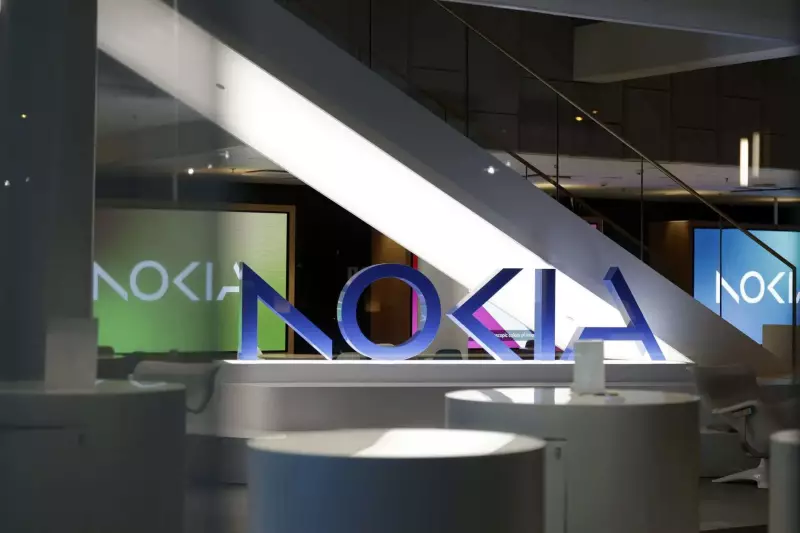
The London High Court has delivered a significant interim ruling in a major global patent dispute, favouring hardware giants Acer, Asus, and Hisense in their legal battle against Finnish telecom leader Nokia. The court has established a temporary licensing framework that permits the three companies to continue selling their devices, which include computers and televisions, while a final agreement is being worked out.
Interim License and Royalty Rate Set
Presiding over the case, Judge James Mellor approved an 'interim license' for the manufacturers. This decision prevents market disruption as the lengthy litigation over Nokia's standard-essential patents (SEPs) for video coding continues. These patents are crucial for enhancing the quality and efficiency of video streaming in modern devices.
Perhaps the most critical part of the ruling was the setting of an interim royalty rate. Judge Mellor fixed the fee at $0.365 per device sold. This figure represents a substantial compromise between the wildly differing amounts proposed by the two sides. Nokia had initially demanded $0.69 per unit, while Acer and Asus had countered with a proposal of just $0.03 per unit.

Nokia's Firm Stance and Global Legal Strategy
The court's decision, however, is unlikely to be the final word. The judge noted that Nokia has expressed a "firm resolve to appeal" the ruling. The company is prepared to potentially take the case all the way to the UK Supreme Court to challenge the court's jurisdiction and the very framework of the interim license.
This UK case is part of a broader global enforcement strategy by Nokia. Earlier this year, the company filed separate lawsuits in the United States. It alleged that Acer and Asus computers violate video streaming standards, and that Hisense televisions use Nokia's patented technology without a proper license. Nokia has also launched similar complaints across Europe, though it recently settled a separate streaming-video dispute with Amazon.
The Bigger Picture of Patent Litigation
The use of such short-term licenses pending a full trial is becoming an increasingly common tactic in UK courts. This approach aims to maintain market stability and prevent one party from gaining an unfair advantage during protracted legal fights. Similar interim deals were seen in the Amazon vs Nokia and Lenovo vs Ericsson disputes.
However, the volatile nature of patent law was highlighted by a recent case involving Samsung and ZTE. While Samsung initially won a similar interim license, that decision was later overturned on appeal. This precedent underscores the uncertainty that remains until a final, long-term agreement on "fair, reasonable, and non-discriminatory" (FRAND) terms is settled by the court.
The London High Court is now tasked with the complex job of finalising those long-term FRAND terms for the patent agreement between Nokia and the three hardware manufacturers.