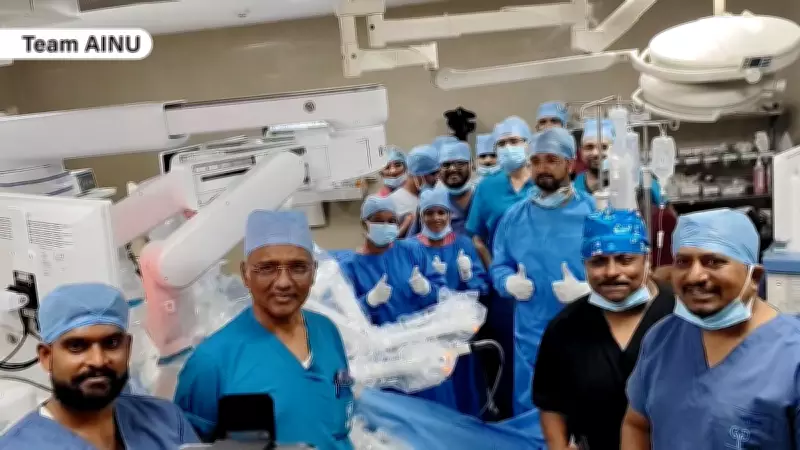
A groundbreaking cross-border telesurgery procedure has raised significant concerns about internet reliability and the future of remote medical interventions. A urological surgeon based in Wuhan, China, successfully operated on a 57-year-old female patient admitted at a hospital in Hyderabad, India. The surgery was performed using advanced robotic technology, highlighting both the potential and the risks of such medical advancements.
Details of the Procedure
The operation was conducted by Dr. Ghouse, a specialist in urological surgery, who controlled a robotic surgical system from a console in Wuhan. The patient, suffering from a urological condition, was under the care of a local medical team in Hyderabad. The robotic interactive telepathology system allowed real-time communication and precise control, but the procedure depended entirely on a stable internet connection.
Concerns Raised
Medical experts and technologists have voiced concerns about the reliability of internet connections for such critical procedures. Any interruption could have severe consequences for the patient. The surgery has sparked a debate about the need for dedicated, high-bandwidth networks for telesurgery and the regulatory frameworks required to ensure patient safety across borders.

Implications for the Future
This event marks a significant milestone in telemedicine, demonstrating that distance is no longer a barrier to specialized surgical care. However, it also underscores the necessity for robust infrastructure and contingency plans. The medical community is now calling for international standards to govern cross-border telesurgery, including protocols for network failures and emergency procedures.
Expert Opinions
Dr. Ghouse emphasized the success of the surgery but acknowledged the risks. "We must ensure that internet connectivity is fail-safe," he stated. Other specialists, including oncosurgeons and robotic surgery experts, have echoed this sentiment, urging investment in dedicated medical networks. The Surgeon General's office has also taken note, initiating discussions on policy development for such procedures.
As technology advances, the balance between innovation and safety remains paramount. This case serves as a reminder that while the possibilities are vast, the infrastructure must keep pace to prevent potential disasters.