

India's Digital News Ecosystem Reaches Critical Turning Point
The landscape of digital journalism in India is undergoing a profound transformation as multiple forces converge to redefine its future. Technology advancements, artificial intelligence integration, evolving regulatory frameworks, and shifting audience expectations are creating both unprecedented challenges and opportunities for news organizations across the nation.
DNPA Conclave 2026: A Platform for Critical Dialogue
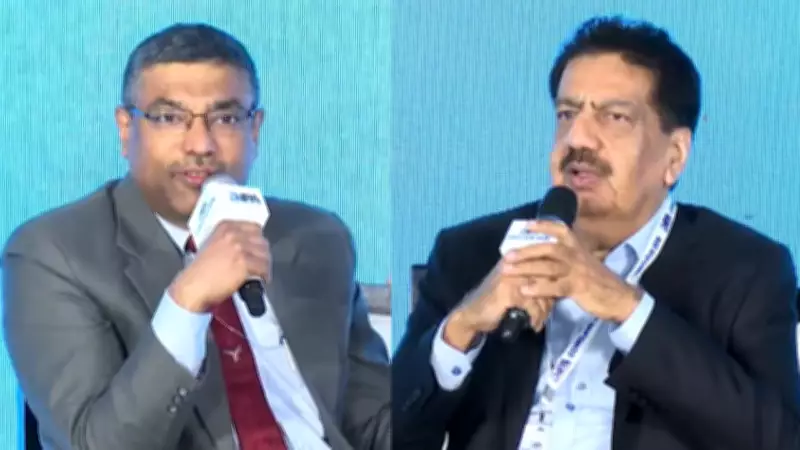
At the recent DNPA Conclave 2026, prominent figures from media, technology, and policy sectors gathered to address these pressing issues. The discussions centered on how credibility, verified content, and India's expanding digital public infrastructure are fundamentally altering the responsibilities and operational approaches of news organizations.
S. Krishnan, Secretary of the Ministry of Electronics and Information Technology (MeitY), emphasized technology's potential to strengthen journalism when properly harnessed. "Technology can strengthen journalism by amplifying credible and responsible reporting," he stated, highlighting the urgent need to prioritize authenticated information during this period of rapid digital transformation.

Krishnan elaborated on this perspective, noting, "If you create the right kind of content, technology will help you amplify the right kind of message." He further stressed the public responsibility that publishers must embrace, asserting that verified and curated information deserves precedence over unverified material circulating across digital platforms.
"There's a social duty, and there's a social necessity of creating authenticated content," Krishnan explained. "Any content which is authenticated and curated clearly needs to have priority and more privilege than any other content which is just randomly put up there."
Converging Pressures on Indian Media
The conclave highlighted how multiple pressures are simultaneously impacting Indian media organizations, creating a compressed environment for adaptation. These converging forces include:
- Rapid adoption of artificial intelligence technologies
- Ongoing regulatory recalibration and policy adjustments
- Increasing scrutiny from advertisers and sponsors
- Growing audience mistrust and skepticism toward media
This simultaneous unfolding of challenges has significantly reduced the traditional space for trial-and-error strategies, forcing publishers to make structural decisions that will determine their long-term direction rather than focusing solely on short-term growth metrics.
This strategic shift is particularly complex within India's diverse media market, which is characterized by:
- Extensive linguistic variety across regions
- Uneven digital connectivity and infrastructure
- Massive youth participation in digital consumption
India's Digital Infrastructure as Civic Architecture
Anil Kumar Lahoti, Chairman of the Telecom Regulatory Authority of India (TRAI), provided valuable perspective during a fireside chat titled "The Evolving Telecom & Digital Infrastructure Landscape." He detailed how telecommunications and digital systems are fundamentally transforming access to information and connectivity across the nation.
Vineet Nayar, founder-chairman of Sampark Foundation and former CEO of HCL Technologies, addressed "The Architecture of India's Digital Identity" in his presentation. He explained how India's comprehensive public digital infrastructure—spanning governance, finance, and identity systems—is reshaping citizen expectations regarding access, authentication, and trust mechanisms.
For media organizations, this evolving digital landscape signals that credibility, inclusion, and accessibility are no longer optional considerations but central components of their societal role. India's digital public infrastructure effectively positions technology as civic architecture, placing media organizations at the heart of a broader ecosystem of digital citizenship.

Global Implications and Future Directions
Globally, India is increasingly being observed as a potential model for integrating technology, governance, and public interest considerations. Within this transformative framework, media organizations serve as both active participants and critical stakeholders, helping shape the evolution of digital society.
The DNPA Conclave 2026 was held under the theme "Rewriting the Playbook for a Resilient Digital Future," bringing together industry leaders to explore how several key factors will shape the next phase of India's news industry:
- Building and maintaining audience trust
- Fostering responsible innovation
- Ethical implementation of artificial intelligence
- Navigating regulatory environments
- Achieving sustainable growth models
As India's digital news ecosystem stands at this critical juncture, the conversations and decisions emerging from forums like the DNPA Conclave will significantly influence how journalism evolves to meet the demands of a rapidly changing digital society while maintaining its core commitment to truth, verification, and public service.





