The Indian budget smartphone market is fiercely competitive, and Lava has established itself as a reliable contender. The newly launched Bold N1 aims to cater to first-time buyers or those upgrading from feature phones by focusing on core essentials rather than trying to be an all-rounder. After extensive use, here is our comprehensive review.
Design
The Lava Bold N1 features a polycarbonate glossy rear panel, common at this price point but executed more neatly than many rivals. Available in Sparkling Ivory and Radiant Black, both color options are clean and understated. The Sparkling Ivory variant has a subtle sheen that elevates it above typical matte plastics. Weighing 205 grams, the phone is comfortable for extended one-handed use, with even weight distribution and rounded edges that enhance grip. An IP54 certification for dust and water splash resistance adds practical value, a feature often missing in this segment.
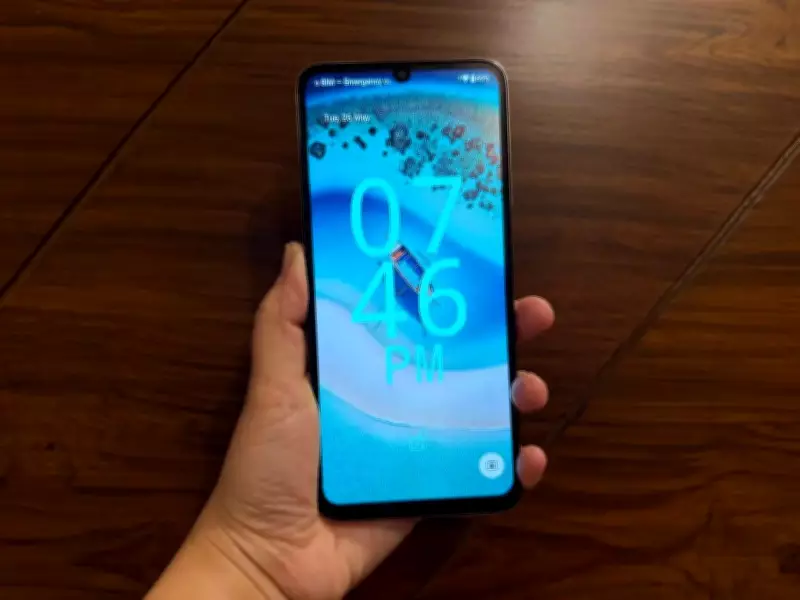
Unlike many modern smartphones with punch-hole cameras, the Bold N1 uses a dated U-shaped notch for the front camera. This design choice feels a generation behind in 2025, potentially underwhelming users accustomed to more contemporary aesthetics. Nonetheless, the overall build is decent—clean, simple, and durable for everyday handling.

Display
The device sports a 6.75-inch IPS LCD panel with HD+ resolution (720 x 1600 pixels) and a 90Hz refresh rate. The 720p resolution is adequate for the price, though fine text and detailed imagery appear soft compared to Full HD panels. For social media, messaging, and casual streaming, it suffices. The 90Hz refresh rate is a genuine plus, making scrolling smoother than on typical 60Hz devices.
Display colors appear slightly faded by default, but switching to the 'Standard' mode in settings significantly improves vibrancy and contrast. Outdoor legibility is a notable weakness; under direct sunlight, visibility drops considerably due to modest peak brightness and lack of anti-reflection coating. Indoors, performance is reasonable. A 240Hz touch sampling rate ensures responsive touch inputs, exceeding expectations for the price.
Performance
The Bold N1 is powered by the Unisoc 9863A chipset (octa-core, 28nm process) with 4GB LPDDR4X RAM and 64GB eMMC 5.1 storage. This configuration handles daily tasks like calls, messaging, WhatsApp, and casual browsing smoothly. The lightweight Android Go software further enhances performance, making the device feel snappier than its hardware suggests.
Limitations emerge under heavy multitasking or gaming, where stuttering and longer load times occur. The 28nm fabrication node leads to thermal and efficiency drawbacks during sustained use. eMMC storage is slower than UFS found in pricier devices. However, for its target audience—users needing reliable communication, entertainment, and light social media—the Bold N1 delivers on essentials: screen size, battery, clean UI, and daily performance.
Software
The Bold N1 runs Android 14 Go, a lightweight version optimized for limited RAM and storage. The software experience is clean, stock Android with no ads, bloatware, or pre-installed third-party apps—a rarity at this price. Customization options for home and lock screens, intuitive gestures, and double-tap to wake/sleep are thoughtful additions. Features like App Lock and sidebar add utility.
The main drawback is Android Go's inherent limitations: restricted full-fat Google apps, capped RAM-intensive tasks, and a narrowed experience compared to standard Android. Competitors in the same price range ship standard Android 14 or even Android 15, making the Bold N1's software feel outdated. Feature phone upgraders may not notice, but those accustomed to standard Android will.
Camera
The dual-camera setup includes a 13MP primary sensor and a 5MP front camera, delivering entry-level performance. Photos have vibrant, eye-catching colors, especially reds and greens, though sometimes oversaturated. HDR is decent, and skies are not overexposed. Detail is average due to sensor size, and 2x zoom reduces quality further.

In low light, the viewfinder often over-brightens images, requiring manual brightness reduction. Lack of optical image stabilization (OIS) means steady hands are needed to avoid motion blur. The front camera produces acceptable selfies in good light and is adequate for video calls. Video recording maxes out at 1080p 30fps. Compared to the itel A90, the Bold N1 offers better daylight and portrait capabilities, but overall camera quality is a weak point.
Battery
The 5,000mAh battery is a standout feature. In PCMark testing, it took 9 hours 21 minutes to drop to 20%. Gaming tests showed 7-8% battery loss per 30 minutes across BGMI, Call of Duty: Mobile, and Real Racing 3. During review, daily screen-on time of 4-5 hours left 15-20% charge by day's end. Light-to-moderate users can realistically achieve two-day battery life.
Charging is less impressive: the included 10W charger takes over two hours to fully charge, which is slow by 2025 standards. Rivals increasingly offer 18W or 33W fast charging, making the slow replenishment a notable inconvenience. A charger is included in the box.
Verdict
The Lava Bold N1, starting at Rs 7,999, is a clean and dependable entry-level smartphone. Its strengths include a large display, IP54 rating, bloatware-free software, and excellent battery life. It is a decent pick for those prioritizing battery and clean software over camera or fast charging.
About the Author: Heena Gupta is an avid tech enthusiast and alumna of Hindu College. She loves exploring gadgets and enjoys wine, cartoons, and history shows in her free time.