

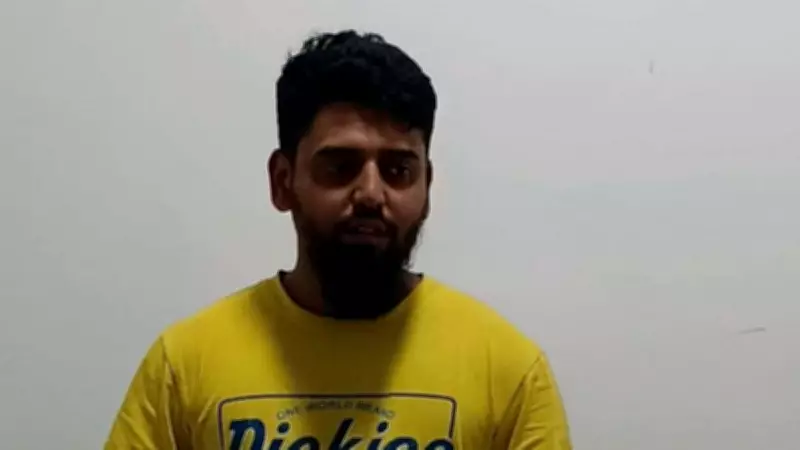
Inside the Madhya Pradesh Terror Module: How Social Media and Cross-Border Links Were Used to Radicalise Youths
In a major breakthrough, the Madhya Pradesh Anti-Terrorism Squad (ATS) has unearthed a terror module that exploited social media platforms and cross-border connections to radicalise young men. The module, which operated in several districts, aimed to recruit vulnerable youths for terrorist activities. The ATS arrested multiple suspects and recovered explosives, electronic devices, and extremist literature.
Modus Operandi
The module used encrypted messaging apps and social media platforms like Facebook, WhatsApp, and Telegram to spread radical ideologies. Handlers from across the border, believed to be based in Pakistan, communicated with recruits, providing them with instructions and propaganda material. The youths were initially targeted through religious sermons and then gradually exposed to extremist content.
Key Arrests and Recoveries
The ATS arrested at least five individuals from Bhopal, Indore, and Ujjain. During the raids, they seized laptops, mobile phones, and a cache of explosives, including ammonium nitrate and detonators. The suspects were reportedly planning attacks on government buildings and crowded places in the state.

Investigation and Future Steps
The ATS is investigating the funding sources and the extent of the network. They are also tracking other radicalised youths who may have been influenced but not yet recruited. The state government has called for a review of social media monitoring and closer coordination with central agencies to prevent further radicalisation.
Community Response
Local community leaders have condemned the activities and urged parents to monitor their children's online activities. The police have launched awareness campaigns to educate the public about the dangers of radicalisation and the legal consequences of supporting terror modules.






