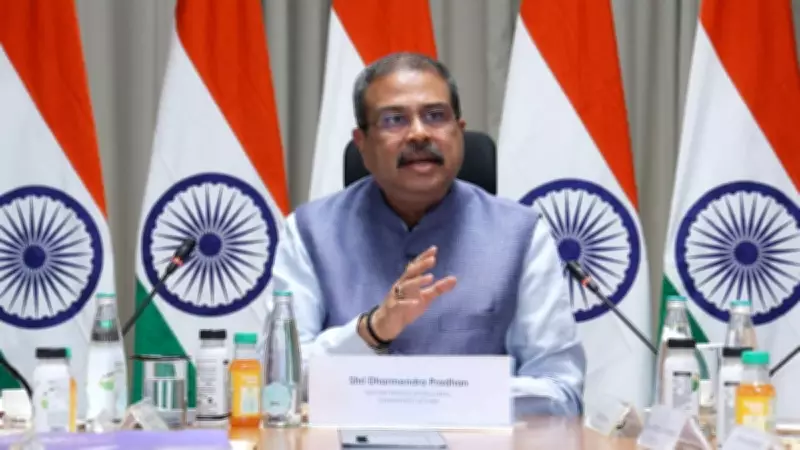
In a significant development for medical aspirants across India, Union Education Minister Dharmendra Pradhan on Saturday announced a series of major reforms for the National Eligibility cum Entrance Test (NEET). The most notable change is the shift from the traditional pen-and-paper format to a computer-based test (CBT) mode starting from the next academic session. This decision aims to streamline the examination process and enhance efficiency.
Five Key Announcements
Pradhan outlined five crucial changes during a press conference. First, the NEET exam will now be conducted in a computer-based format, aligning it with other major entrance tests like JEE Main. Second, candidates appearing for the re-exam will be granted an additional 15 minutes to compensate for any technical glitches or delays. Third, the syllabus has been rationalized to reduce the burden on students, with a focus on core concepts. Fourth, the number of exam centers will be increased, especially in rural and remote areas, to improve accessibility. Fifth, a new grievance redressal mechanism will be introduced to address student concerns promptly.
Impact on Students
The transition to CBT is expected to bring several benefits, including faster result processing, reduced chances of paper leaks, and a more standardized testing environment. However, students from backgrounds with limited digital access have expressed concerns. To address this, the Ministry of Education plans to conduct mock tests and provide training modules to familiarize students with the computer-based interface.

Re-exam Protocol
The announcement of an extra 15 minutes for re-exam takers comes after complaints about time management issues in previous years. This measure ensures that students are not disadvantaged due to unforeseen circumstances during the test. Additionally, the re-exam will be conducted within 30 days of the original exam date.
Syllabus Rationalization
The revised syllabus will emphasize conceptual understanding over rote learning. Topics that overlap across subjects have been merged, and redundant content has been removed. This change is part of a broader effort to align NEET with the National Education Policy 2020.
Increased Exam Centers
The government plans to add over 200 new exam centers, particularly in underserved regions. This move is expected to reduce travel distances for students and minimize logistical challenges. The centers will be equipped with necessary infrastructure to support CBT.
Grievance Redressal
A dedicated portal and helpline will be set up for students to report issues related to the exam, including technical problems, discrepancies in results, or malpractice. The response time for resolving grievances will be capped at 72 hours.
The announcements have been met with mixed reactions. While many students and educators welcome the modernization of NEET, others urge caution regarding the digital divide. The Ministry has assured that all necessary steps will be taken to ensure a smooth transition.