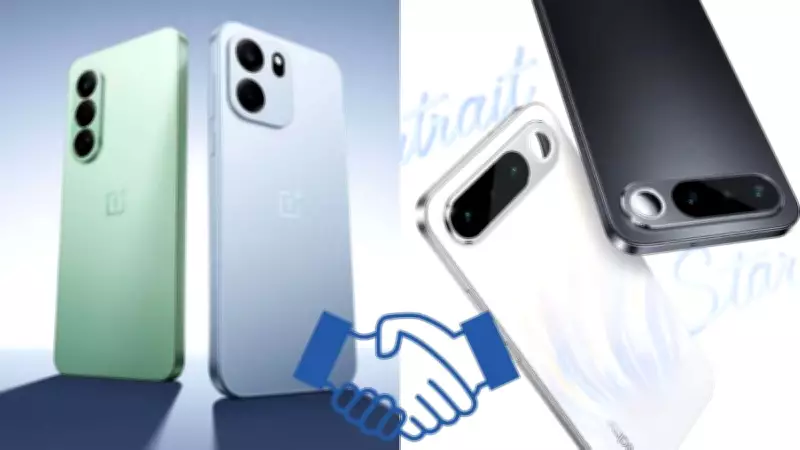
OnePlus and Realme Merger: What It Means for the Smartphone Market
In a surprising development, OnePlus has reportedly merged with Realme, two brands under the BBK Electronics umbrella. This consolidation is expected to reshape the smartphone landscape, particularly in the mid-range and flagship segments. While both brands have maintained distinct identities, the merger aims to streamline operations and reduce costs.
Impact on Global Users
For consumers, the merger raises concerns about brand dilution and software support. OnePlus has built a reputation for premium devices with near-stock Android experience, while Realme focuses on value-for-money smartphones. Post-merger, users may see unified software updates and shared hardware platforms, potentially leading to fewer distinct choices.
Future Product Lines
The combined entity is likely to rationalize its portfolio. Flagship OnePlus models may adopt Realme's aggressive pricing strategies, while Realme could gain access to OnePlus's premium build quality. This could result in more competitive pricing but also risk cannibalization between the brands.

Industry Reaction
Analysts view this as a strategic move to counter rivals like Xiaomi and Samsung. However, loyal OnePlus fans worry about the loss of the brand's unique ethos. The merger is expected to be completed by the end of 2026, with initial changes visible in the next product cycle.