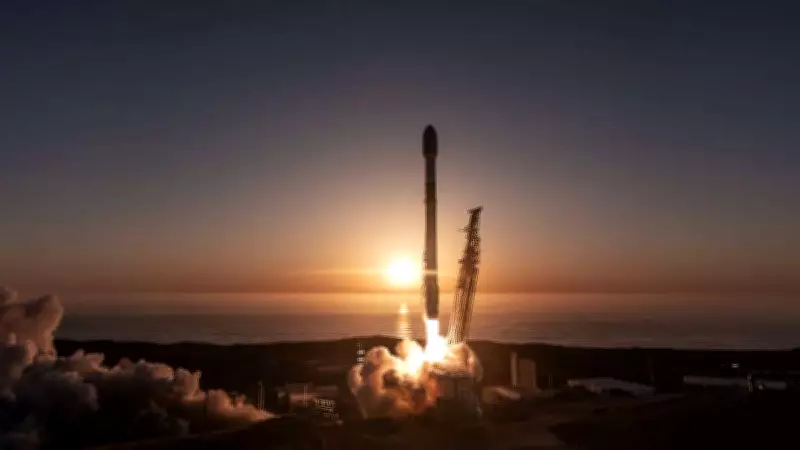
SpaceX launched another batch of 24 Starlink satellites into orbit on May 21, 2026, further expanding its internet mega-network. The Falcon 9 rocket lifted off from Cape Canaveral Space Force Station in Florida at 9:32 a.m. EDT, carrying the satellites to low Earth orbit. This mission brings the total number of Starlink satellites launched to over 10,500, with nearly 9,800 currently operational.
Mission Details
The Falcon 9's first stage successfully landed on the droneship 'Just Read the Instructions' in the Atlantic Ocean, marking its 15th flight. The upper stage deployed the 24 satellites approximately 65 minutes after liftoff. This launch is part of SpaceX's ambitious plan to create a global broadband network, with thousands more satellites planned for future launches.
Expanding Connectivity
Starlink aims to provide high-speed internet access to underserved and remote areas worldwide. The network now serves over 4 million subscribers across 60 countries. SpaceX has received regulatory approval for up to 12,000 satellites, with plans to eventually deploy 42,000. Each satellite weighs about 260 kilograms and is equipped with advanced phased-array antennas for efficient communication.

The rapid deployment pace has raised concerns among astronomers about light pollution and collision risks. SpaceX has implemented measures such as sunshades and automated collision avoidance systems to mitigate these issues. The company continues to refine its satellite design, with the latest V2 Mini versions featuring improved bandwidth and reduced brightness.
SpaceX CEO Elon Musk stated that the Starlink network is on track to become self-sustaining by 2027, with revenue from subscriptions funding further expansion. The service has been particularly crucial in conflict zones and disaster-stricken areas, providing vital communication links when terrestrial infrastructure fails.