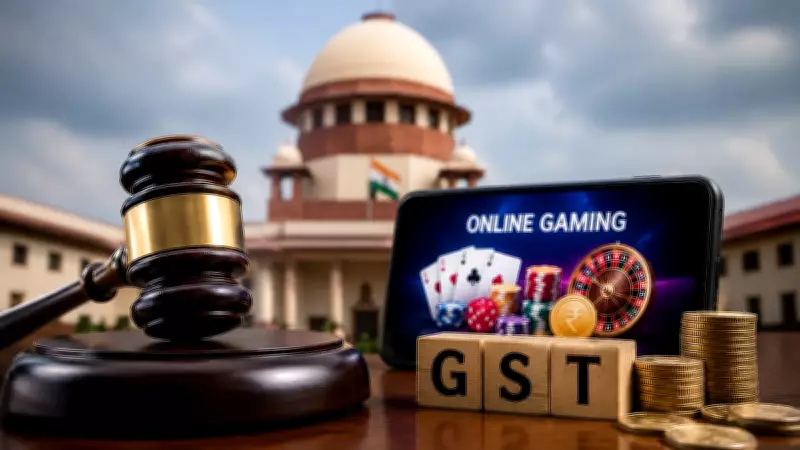
The Supreme Court has upheld the retrospective levy of 28% Goods and Services Tax (GST) on online gaming companies, a decision that carries significant financial implications for the industry. The verdict validates the government's amendment to the GST law, which made it mandatory for overseas online gaming operators to register in India effective October 1, 2023.
Background of the Case
The dispute centered on whether the government could impose GST retrospectively on online gaming platforms. The government argued that the amendment was necessary to bring clarity and ensure compliance, particularly for foreign companies offering services to Indian users. The court's decision affirms that the 28% GST applies to the full face value of bets placed on online gaming platforms, including those made before the amendment was enacted.
Impact on the Industry
This ruling is expected to have a profound impact on both domestic and international online gaming companies. Many firms had challenged the retrospective levy, citing potential financial strain and operational challenges. With the Supreme Court's decision, companies may now face significant tax liabilities for past transactions. Industry experts suggest that this could lead to increased compliance costs and possibly a restructuring of business models to adapt to the new tax regime.

The government has maintained that the retrospective application is justified to prevent tax evasion and ensure a level playing field for all operators. The amendment was part of broader efforts to regulate the online gaming sector, which has seen explosive growth in recent years.
Reactions and Next Steps
Following the verdict, legal representatives of the gaming companies expressed disappointment but acknowledged the court's authority. Some firms are expected to explore options such as seeking a review of the decision or negotiating payment plans with tax authorities. Meanwhile, the government has welcomed the ruling, emphasizing its commitment to tax transparency and revenue generation.
The online gaming industry in India is now bracing for a period of adjustment, with many companies likely to reassess their operations and pricing strategies. The decision also sets a precedent for how digital services are taxed in the country, potentially influencing future policy in related sectors.