

For the first time this year, Spandan Banerjee, a 31-year-old musician and product designer from Kolkata, decided not to share his Spotify Wrapped on social media. His reason highlights a growing discontent with how digital platforms summarise our lives. "I often grieve through music," Banerjee explains. A sad song he played repeatedly for a few days became his most-played track, while music used to fall asleep also featured prominently. Neither, he feels, accurately captured his true "year in music."
The Rise of the Algorithmic Year-End Ritual
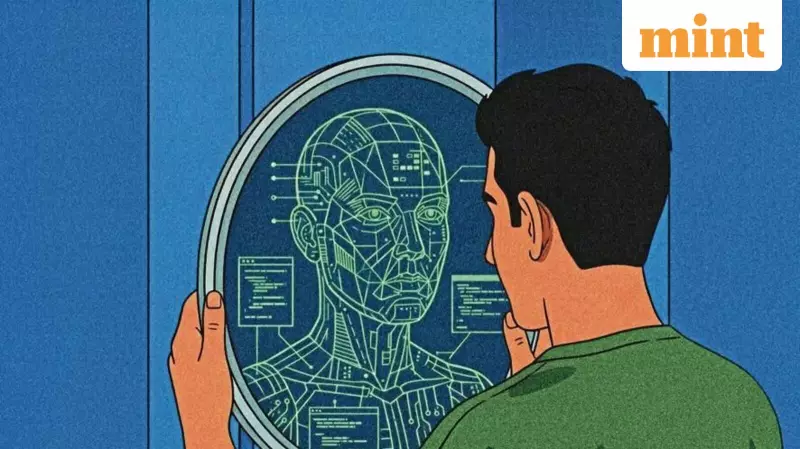
Banerjee's experience points to a broader discomfort. Our annual reflections are increasingly dictated by apps. From Spotify Wrapped and YouTube Recap to AI-generated summaries on X, LinkedIn's Year In Review, Google Photos' memories, and tallies from reading and fitness apps, platforms are compressing our complex lives into neat, shareable narratives. What started as a novel feature has hardened into an inescapable seasonal ritual.
Mumbai-based visual artist Manoj Omre, 32, recalls Spotify Wrapped's launch nearly a decade ago as a "fun way to show data interactively." Now, he says, "They all look the same to me." He describes a Ship of Theseus-like dilemma: over years, algorithm-driven recommendations gradually reshape our playlists and tastes, making us wonder if the recap reflects our original preferences or who the algorithm nudged us to become.

Where Data Lacks Context and Empathy
The core issue is that apps have data but lack context. A streaming algorithm doesn't know a song on repeat was a brief grief ritual or that 3 a.m. listens were desperate attempts to sleep. A fitness app might label a month as "most productive" without knowing it coincided with disordered eating. This emotional tone-deafness can be triggering.
Bengaluru-based counselling psychologist Avneet Kaur, 29, sees this in practice. "One of my clients lost their dog this year, and each time it's a trigger when Google Photos shows memories from two years ago," she says. The year-end timing compounds the problem, as holidays can be difficult for those feeling lonely. "These unprompted triggers can make it go a bit out of hand," Kaur clarifies, though she acknowledges reflections are valuable for self-knowledge.
A Call for User Agency and Personalisation
So, what can platforms do better? The consensus is to give users more control. Aleena Qureshi, 31, who runs Social Media Dissect in Mumbai, argues, "The best thing platforms can do is allow personalisation. Let users skip things, redesign them, make choices." This way, reflection aligns with a person's emotional state, not just their data.
Banerjee points to Spotify's Artist Wrapped as a useful model, where artists are surveyed about which data points they want. He suggests consumer versions could allow manually entering context. Spotify already offers tools like "Private Mode" and "exclude from Taste Profile," but these features are not actively promoted. Spotify did not respond to queries at the time of writing.
Perhaps the deeper answer lies beyond apps. Omre reminisces about pre-digital reflections: talking with friends, flipping through physical photo albums, mentally replaying the year's moments. "The best part is that none of this is quantified like the app wraps," he says. For those who journal, reading past entries offers a similarly personal reflection.
App-generated recaps do offer something unique: quantifiable insights into patterns we lived but never consciously tracked, like starred WhatsApp messages revealing what mattered. Technology can aid reflection when used intentionally. The key is not letting the tools decide for you. "I don't depend on apps to reflect on my year gone by," says Banerjee. "Meditating works better as a reflection process for me." Ultimately, not everything that matters needs to be counted, and not everything counted deserves a recap.






