The story of TikTok is a modern tech saga of explosive growth, geopolitical friction, and an uncertain future. From its humble beginnings as a global merger to becoming a cultural juggernaut, the app now faces its most significant challenge yet: a potential shutdown in one of its largest markets, the United States. The threat, reignited by former President Donald Trump, underscores the complex battle over data, influence, and national security in the digital age.
The Meteoric Rise: Merging Musically into a Global Phenomenon
TikTok's origin story is rooted in a strategic acquisition. In 2017, the Chinese tech giant ByteDance purchased the popular lip-syncing app Musical.ly for a reported $1 billion. The following year, in August 2018, ByteDance merged Musical.ly with its own short-video platform, Douyin, rebranding the international version as TikTok. This move proved to be a masterstroke.
The newly unified platform leveraged Musical.ly's established user base, particularly in the US, and combined it with ByteDance's sophisticated algorithm. The result was an addictive, endlessly scrolling feed of short-form videos that captivated a generation. Its growth was nothing short of spectacular, quickly becoming a dominant force in social media and a vital platform for creators, marketers, and everyday users worldwide.

Geopolitical Storm Clouds: The US Government Takes Aim
TikTok's success, however, placed it squarely in the crosshairs of escalating tensions between the United States and China. Concerns mounted among US lawmakers and security officials about the potential risks posed by the app's Chinese ownership. The core fears centered on two main issues:
- Data Privacy: The possibility that the personal data of millions of American users could be accessed by the Chinese government under its national security laws.
- Content Influence: The risk that the app's powerful algorithm could be used to manipulate public opinion or spread propaganda.
These concerns culminated during the Trump administration. In 2020, then-President Donald Trump issued executive orders seeking to ban TikTok unless it was sold to an American company. A deal seemed imminent, with tech giant Oracle and retailer Walmart poised to take a significant stake in a new entity called TikTok Global. However, the sale never materialized, and the immediate threat receded after President Joe Biden took office, though scrutiny continued.
The 2025 Showdown: A Renewed and Potent Threat
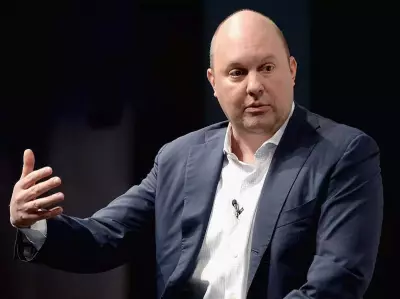
The landscape shifted dramatically as the 2024 US presidential election cycle heated up. In a significant reversal of his earlier stance, Donald Trump, now a presidential candidate, voiced strong opposition to a potential ban. This change was widely seen as influenced by his meeting with a major Republican donor and investor in ByteDance.
However, the political winds changed once again. Bipartisan pressure in Congress led to the passing of a new law. The legislation, signed by President Biden in April 2024, gave ByteDance a stark ultimatum: sell TikTok to a non-Chinese owner within approximately nine months (around January 2025) or face a complete ban in the United States.
Facing this existential deadline, ByteDance and TikTok have mounted a fierce legal and public relations battle. The company has sued the US government, arguing the law is unconstitutional and violates the First Amendment rights of its 170 million American users. Simultaneously, TikTok has launched an aggressive campaign, prompting users to call their representatives in Congress to protest the ban, a move that ironically angered many lawmakers.
As the January 2025 deadline looms, the app's fate hangs in the balance. The outcome of the legal challenges and the result of the upcoming US presidential election will be decisive. A victory for Trump could see him leverage the ban threat as a negotiating tool, while other outcomes could solidify the law's enforcement.

Implications and the Road Ahead
The TikTok saga is more than a corporate battle; it is a defining case study for the global tech industry. It highlights the collision of national security, digital sovereignty, and the borderless nature of social media. For millions of creators and small businesses, especially in India where the app was banned earlier, the US decision could reshape the digital content economy.
The core conflict remains unresolved: can a globally popular app with ties to China operate freely in a Western market fraught with mutual distrust? The answer to that question, expected in early 2025, will set a powerful precedent for the future of cross-border technology, data governance, and the very structure of the internet itself.