

Here is something that will mess with your head at the grocery store: that tomato you are buying for your salad is not a vegetable. Neither is the bell pepper you are stuffing for dinner. The cucumber you are slicing for your sandwich? Also not a vegetable. They are all fruits. This is not a pointless semantic argument because it actually changes how you think about what you are eating.
The thing is, nobody talks about this. The supermarket signs say vegetables. Your nutrition labels probably list them as vegetables. So everyone goes through life assuming a vegetable is just a vegetable. But botanically speaking, there is this whole other reality happening that basically nobody knows about or cares about, and once you understand it, you cannot unsee it.
The Actual Definition Nobody Asked For
So technically, a fruit is the ripened ovary of a flowering plant. It develops after the flower is pollinated and contains seeds. A vegetable, on the other hand, is not really a botanical term at all. It is a culinary one. Vegetables are just plants or plant parts that we eat as part of a meal. This is why the line gets so blurry. A tomato has seeds. It develops from the flower's ovary. By definition, it is a fruit. But we use it in savory cooking, we pair it with salt instead of sugar, and culturally we have decided it is a vegetable. So in the kitchen, it is a vegetable. But in a biology textbook, it is absolutely a fruit. Both things are true at the same time, and that is what makes this weird.

The Ones Everyone Gets Wrong
Tomatoes are the obvious ones. You know this already if you have heard any trivia before. But the real surprise list goes deeper. That bell pepper you are grilling? Fruit. The eggplant you are roasting? Fruit. Cucumbers, zucchini, squash, all fruits. Okra too. Even green beans and peas are technically fruits because they are the ripened ovaries containing seeds. So basically, if it came from a flower and has seeds inside, it is a fruit.
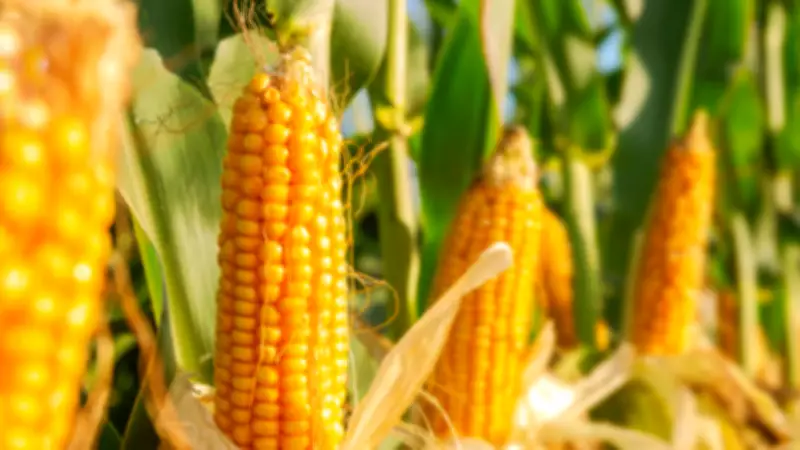
Corn is wild because people rarely think of it botanically at all, but yeah—corn kernels are fruits. Each kernel is technically a fruit called a caryopsis. Pumpkins and all their squash relatives? Fruits. This is why autumn decoration gourds are technically fruits sitting on porches next to actual apples.
Why Does This Matter (Honestly)
It does not, really. Your body does not care if you call it a fruit or vegetable. Nutritionally speaking, nothing changes. A tomato is still nutritious whether you think of it as a fruit or vegetable. It still has the same vitamins, the same fiber, the same everything. But there is something satisfying about knowing the truth. There is something that just feels good about understanding why the system is set up the way it is, even if the system itself is kind of arbitrary.
It also explains why vegetables like carrots and potatoes (which are roots and tubers) are totally different from tomatoes and cucumbers. You are not comparing two versions of the same category. You are comparing roots to fruits. They are completely different plant parts that happen to be edible.
So yeah, call them vegetables if you want. Call them fruits if you want to be technically correct.






