

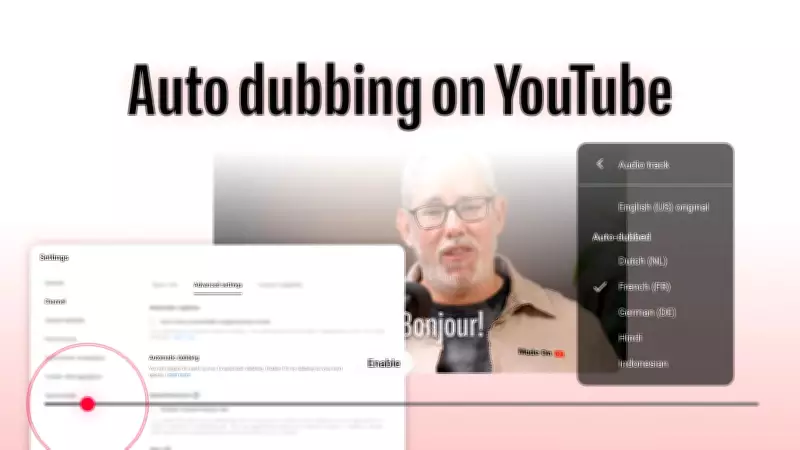
In a significant leap for digital content accessibility, YouTube is transforming how viewers engage with global media through advanced auto dubbing technology. This innovation allows audiences to seamlessly access videos from creators worldwide, eliminating the traditional reliance on subtitles or human translators. With just a click of the play button, stories, ideas, and conversations from diverse cultures are now within reach, breaking down linguistic barriers like never before.
Expanding Reach with 27 Languages
Auto dubbing has evolved dramatically, currently supporting an impressive 27 languages. This expansion enables videos to connect with viewers who may not understand the creator's native tongue, fostering a more inclusive digital ecosystem. The impact is already evident, as data from December revealed that substantial audiences spent considerable time watching auto-dubbed content, indicating a readiness to immerse themselves in accessible media. For content creators, this means their work can achieve broader reach without the time and financial burdens of producing multiple language versions.
Enhancing Authenticity with Expressive Speech
Historically, a major concern with dubbed content has been audio quality, often resulting in robotic or flat translations. YouTube addresses this by introducing expressive speech technology, developed for prominent languages including English, Hindi, Spanish, French, and German. This technology preserves the emotion, tone, and pace of the original speaker, making translations sound natural and engaging. The difference is particularly notable in content types like commentary, storytelling, or vlogs, where emotional nuance is crucial for viewer connection.

Viewer Control and Lip-Sync Innovations
Audiences now have greater control over their viewing experience with a new preferred language option. This feature allows viewers to choose between watching a video in its original version or a dubbed version, offering flexibility especially beneficial for bilingual users or those preferring original content. To further enhance realism, YouTube is testing a lip-sync feature that adjusts lip movements to better match translated audio. While not perfect, this technology reduces visual disconnects common in dubbed videos, creating a smoother and more immersive experience.
Smart Tools for Creators
Behind the scenes, creators benefit from intelligent tools that optimize dubbing. Automatic filters can identify videos better left undubbed, such as music-focused uploads or silent content, ensuring dubbing enhances videos only where appropriate without altering the original intent. Importantly, auto dubbing does not negatively impact a video's visibility; it has no adverse effect on recommendations and may even help videos reach audiences searching in other languages. Creators retain full control, with options to disable auto dubbing or upload custom translations.
As the digital world continues to bridge global divides, YouTube's auto dubbing is quietly revolutionizing content sharing. By enabling creators to reach international audiences without translators, this technology is fostering a more connected and accessible online community, where stories transcend linguistic boundaries effortlessly.

