Viral Interview Sparks Debate Over Editing and Truth in Journalism
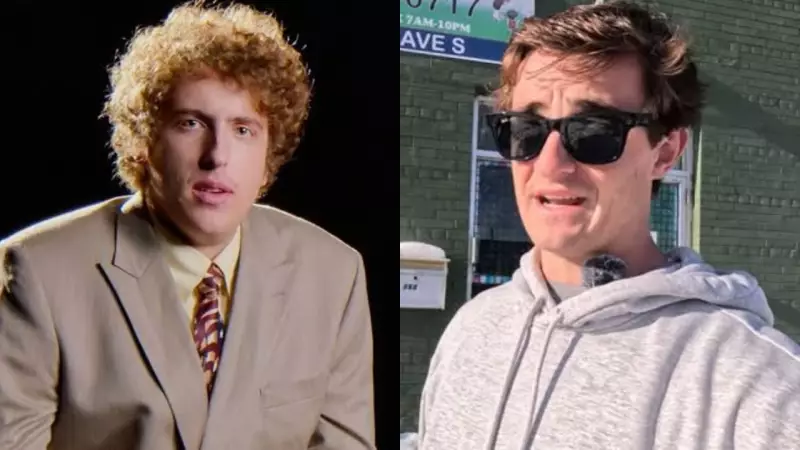
Two names are now dominating online discussions about media integrity. Andrew Callaghan and Nick Shirley find themselves at the center of a growing controversy. A widely shared interview has ignited serious questions about editing practices, factual representation, and public trust in modern journalism.
Journalist Claims Public Did Not See Full Truth
Nick Shirley helped bring national attention to the alleged Minnesota daycare fraud case. He now says viewers did not receive the complete story from his recent conversation with YouTuber Andrew Callaghan. Shirley believes critical sections of their discussion were removed during editing. He argues these omissions altered the intended meaning of his statements.
The interview appeared on Andrew Callaghan's YouTube channel and quickly gained traction across social media platforms. Instead of providing clarity, the video generated fresh controversy. Shirley responded publicly by sharing his concerns about the editing choices. He posted additional clips online to demonstrate what he felt was missing from the final version.

Dispute Expands Into Broader Conversation
This disagreement has evolved into a larger examination of interview editing standards. Many are questioning how easily meaning can shift when segments are selectively removed. The conversation touches on fundamental issues of journalistic responsibility in the digital age.
On Monday, January 19, Nick Shirley released his own video explanation. He detailed specific moments where he felt his answers were incompletely presented. In the caption accompanying his post, Shirley wrote a powerful statement about journalistic principles.
"Journalism is only journalism when you show the truth," Shirley declared. "When you only post what will benefit yourself and party it becomes propaganda."
Shirley emphasizes that these editing decisions carry significant weight. The topic involves serious allegations already under intense public scrutiny. He believes the edited presentation created a distorted impression of his actual position.
Background on Andrew Callaghan
Andrew Thomas Callaghan is a 28-year-old content creator and journalist. He gained prominence through his series All Gas No Brakes and his current project Channel 5. Born in Philadelphia in April 1997, Callaghan later moved to Seattle's Capitol Hill neighborhood.
During his college years, Callaghan pursued journalism studies. He attended Loyola University New Orleans with a journalism scholarship. While there, he contributed to the school newspaper called The Maroon. To support himself financially, he worked as a doorman on Bourbon Street.
During this period, Callaghan began filming street interviews. These early efforts developed into his Quarter Confessions series on YouTube and Instagram. His work continued to evolve over subsequent years.
In 2023, Callaghan served as a director for an HBO documentary titled This Place Rules. The film examined political divisions within the United States. It specifically explored events leading up to the January 6 Capitol Riot in 2021. HBO Max premiered the documentary on December 30, 2022.
Additional Moment Draws Online Criticism
The interview contained another segment that attracted considerable attention online. Andrew Callaghan asked Nick Shirley to name three "benevolent" billionaires. Shirley initially struggled with the term's meaning. After receiving clarification, he identified Donald Trump, Elon Musk, and David Sacks.
This exchange prompted substantial online criticism directed at Shirley. The reaction added further intensity to the ongoing debate about the interview's overall presentation.
The controversy continues to raise important questions about editorial responsibility. As digital content reaches massive audiences, discussions about ethical editing practices become increasingly relevant. Both creators and consumers are now examining how editing choices influence public understanding of important issues.