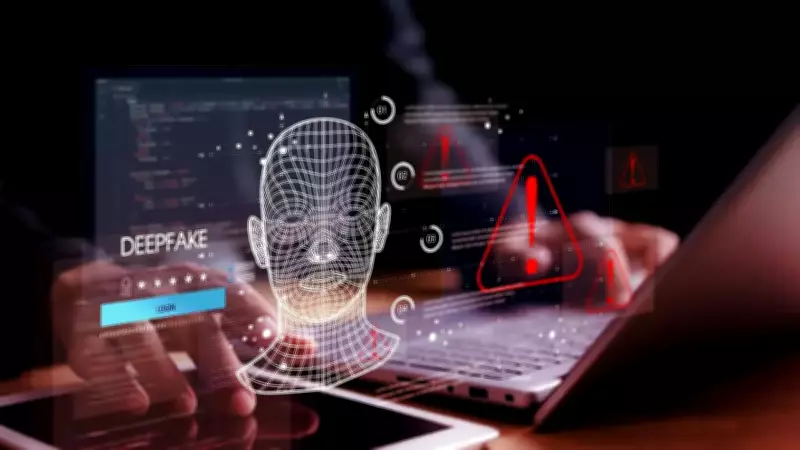
YouTube is rolling out one of its most significant platform changes by expanding its powerful AI deepfake detection tool to all users aged 18 and above, as reported by The Verge. This move democratizes the ability to request and remove realistic, AI-generated clones of one's face across the entire platform, extending protection beyond Hollywood celebrities and major influencers to everyday users.
How YouTube's AI Deepfake Detection Tool Works
The AI deepfake detection tool functions as a digital guardian for your likeness, operating similarly to YouTube's renowned Content ID system. While Content ID automatically flags copyrighted music and movie clips, this new tool scans for human features instead of audio. To activate the system, users provide a quick selfie-style video scan of their face. YouTube's AI then continuously monitors the platform, scanning newly uploaded videos to detect any synthetic or altered versions of the user's likeness. If a match is found, the system immediately alerts the user, who can then review the video and officially request YouTube to take it down.
Protection for All Users
While deepfakes have notoriously targeted politicians and pop stars, the accessibility of deepfake technology has led to increased targeting of ordinary individuals by cyberbullies and scammers. YouTube spokesperson Jack Malon told The Verge, "Whether creators have been uploading to YouTube for a decade or are just starting, they'll have access to the same level of protection." He emphasized that a large subscriber count is not required to use the tool; it is now a fundamental right for anyone on the platform.

Important Caveat
YouTube has issued a caution for users preparing to activate the system. Since AI is not perfect, it may flag videos containing the user's actual face rather than an AI-generated fake. For example, if someone uploads a legitimate, unaltered clip from an old family video or a public interview, the tool will still flag it. In such cases, YouTube notes that these real clips cannot be automatically removed under the deepfake policy, as they fall under standard privacy and fair-use guidelines rather than rules against synthetic media.