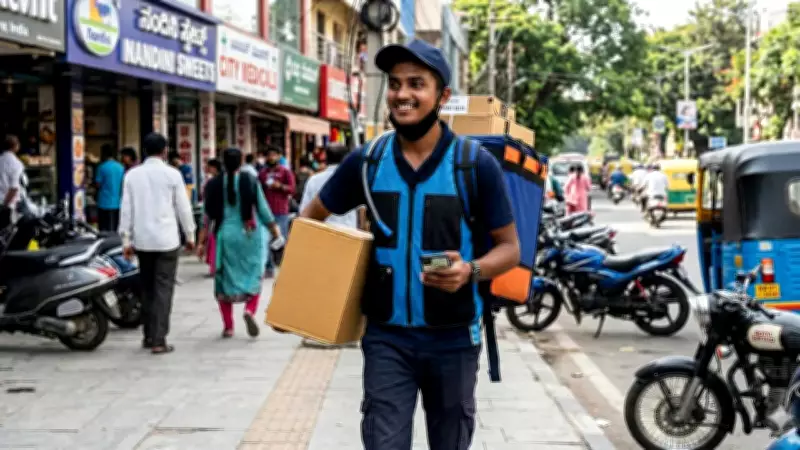
The rising mercury is affecting every stratum of society, but e-commerce delivery workers who must operate even in extreme heat are the most affected. While offering water and hydrating food at the doorstep is a humanitarian gesture, the real battle continues on two-wheelers. However, there is now a ray of hope as Zomato has announced that over 2,500 delivery partners across more than 14 cities will trial cooling vests this summer. This move comes as many parts of the country face extreme heat with temperatures exceeding 40-45 degrees Celsius.
What is a Cooling Vest?
Cooling vests are wearable jackets designed to help regulate body temperature in hot or high-stress environments. They use different technologies to reduce body temperature. According to experts, they mainly come in three types: evaporative cooling vests, phase change vests, and ice pack or gel vests. They are commonly used by athletes, construction workers, firefighters, and people exposed to high temperatures.
Why Indian Delivery Agents are Wearing Cooling Vests
According to Zomato's LinkedIn update, these vests use evaporative (PVA-based) cooling technology, are designed to perform in temperatures above 40 degrees Celsius, and provide relief for up to 4 hours. They are lightweight, anti-microbial, and built to last two summers. The post states that these vests result from joint efforts by Shell Foundation (Philanthropic Fundraising Services, London) and Trane Technologies' SPACES programme (Industrial Machinery Manufacturing, North Carolina), implemented by Intellcap. The creative describes the vests as offering instant cooling and all-day comfort, built for everyday performance, with a lightweight and breathable design.

What Does the Study Say?
According to a study titled "Effectiveness and Acceptance of Cooling Vests Among Couriers in the Express Delivery Industry," cooling vests can be used as a personal protective measure to reduce physical stress in hot weather. They use active or passive cooling mechanisms to stabilize body temperature and prevent overheating. In the study, at least five courier drivers from express delivery services wore the hybrid cooling vest Bodycool Hybrid during work. To activate the vest, it was moistened with water and cooling packs were inserted. The ambient temperature was at least 25 degrees Celsius throughout the working hours. Comparative measurements without the cooling vest were conducted with the same couriers on days with similar temperatures. During the work shift, skin and core body temperature as well as heart rate were continuously recorded. Additionally, the distances and altitudes covered were tracked using the smartwatch's GPS.