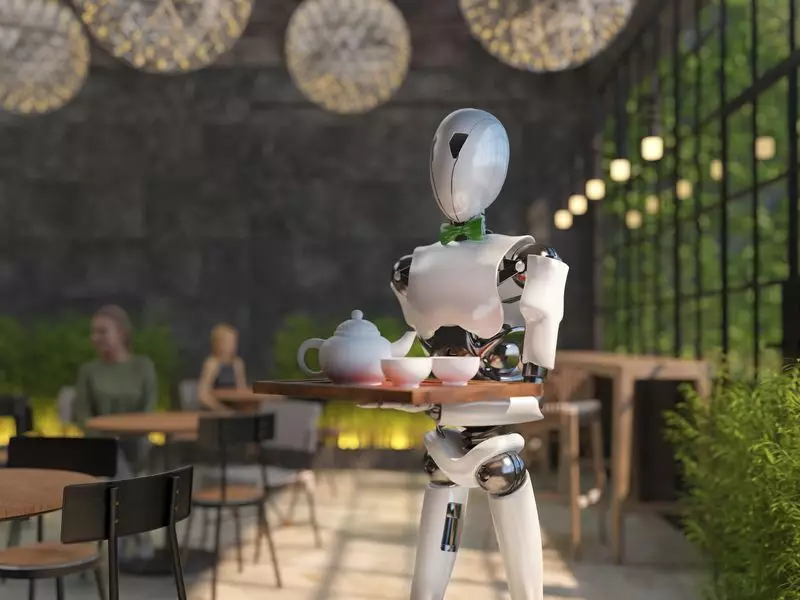
The rapid advancement of artificial intelligence has triggered a profound existential question that echoes across universities, tech companies, and philosophical circles: What becomes the point of human existence when machines can outperform us in virtually every domain? This unsettling inquiry forms the core of a growing global conversation about our place in a world increasingly dominated by artificial intelligence.
The Unsettling Reality of AI Supremacy
Artificial intelligence systems have achieved what seemed impossible just a decade ago. These systems now demonstrate superior capabilities in areas once considered exclusively human domains. From creative endeavors like painting and writing to complex problem-solving and strategic thinking, AI consistently matches and often surpasses human performance.
The implications are staggering. When machines can create art that moves audiences, compose music that resonates emotionally, and develop scientific theories that advance human knowledge, what unique value do humans bring to the table? This question strikes at the very foundation of human identity and purpose, challenging centuries of philosophical thought about what makes human life meaningful.

The Historical Context of Technological Disruption
Previous technological revolutions followed a predictable pattern. The Industrial Revolution automated physical labor, while the computer age streamlined computational tasks. In each case, humans found new roles that leveraged our unique cognitive abilities. The current AI revolution differs fundamentally because it targets the very capabilities that distinguished humans from machines: creativity, judgment, and complex reasoning.
Throughout history, humans derived meaning from overcoming challenges, creating beauty, and pushing the boundaries of knowledge. Now, artificial intelligence systems can achieve these feats faster and often better than their human creators. This creates an unprecedented psychological and philosophical dilemma that previous generations never faced.
Redefining Human Purpose in the AI Era
Despite the daunting challenges, many thinkers suggest this technological disruption might ultimately lead to a positive transformation of human values. Rather than competing with machines on their terms, humans might rediscover what truly matters: emotional connection, spiritual growth, and the simple joys of existence that require no justification or utility.
The emergence of super-intelligent AI forces us to confront fundamental questions about consciousness, experience, and what gives life meaning beyond measurable achievement. Perhaps the value of human life was never about being the smartest or most capable entity, but about the quality of our experiences and relationships.
As artificial intelligence handles increasingly complex tasks, humans might find liberation in focusing on aspects of existence that machines cannot replicate: the warmth of human connection, the beauty of shared experiences, and the mystery of consciousness itself. This represents not an end to human purpose, but potentially the beginning of a more authentic understanding of what makes life worth living.