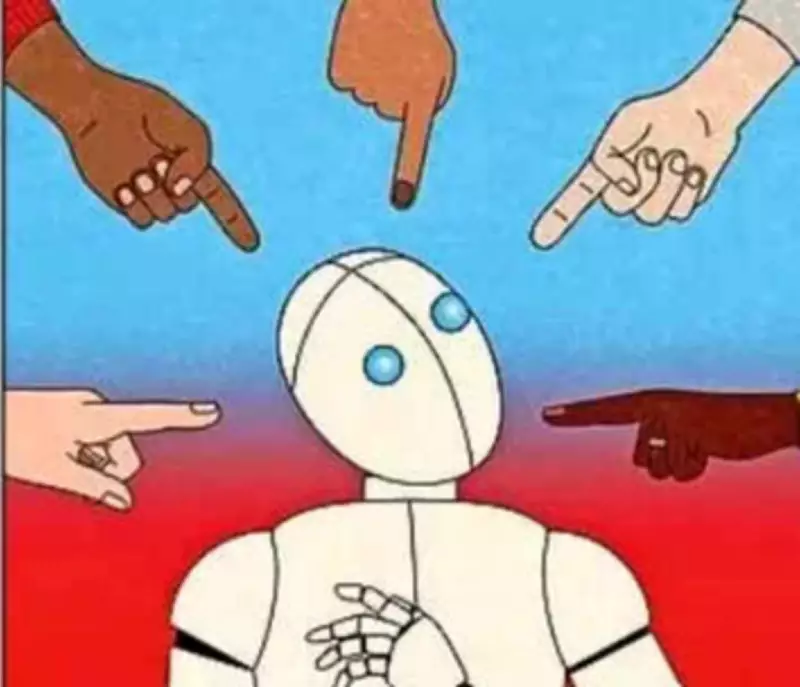
Traditionally, companies have cited various reasons for workforce reductions—failing to meet financial targets, overhiring, or external shocks like tariffs or losing major clients. However, a new trend is emerging: artificial intelligence is increasingly being highlighted as a factor driving layoffs. Executives, anticipating transformative changes from AI technology, are making preemptive cuts to restructure their organizations.
The Rise of AI-Cited Layoffs in Corporate Announcements
According to research firm Challenger, Gray & Christmas, AI was cited in announcements for more than 50,000 layoffs in 2025 alone. This marks a significant shift in how companies justify workforce reductions, moving beyond conventional economic factors to technological advancements.
Major Companies Leading the Trend
Amazon recently announced 16,000 corporate job cuts, adding to 14,000 layoffs disclosed earlier. In a June blog post, CEO Andrew Jassy noted that as generative AI and AI agents are rolled out, they will change work processes, potentially reducing the total workforce in coming years. However, he later clarified that the connection between these layoffs and AI might not be direct.

Pinterest stated last month it would cut approximately 15% of its workforce, partly to reallocate resources toward AI-focused roles. Similarly, Hewlett-Packard CEO Enrique Lores mentioned on a November investor call that embedding AI into HP operations presents a significant opportunity, which could lead to up to 6,000 job cuts over the next few years.
Skepticism and the Concept of 'AI-Washing'
While investors may applaud these preemptive moves, skeptics argue that some corporations are disingenuously blaming AI for layoffs—a practice dubbed 'AI-washing.' Market research firm Forrester highlighted this in a January report, noting that many companies announcing AI-related layoffs lack mature, vetted AI applications to fill those roles. This trend involves attributing financially motivated cuts to future AI implementation, often without clear technological justification.
The Evolution of AI-Washing
The term 'AI-washing' echoes other misleading marketing practices like greenwashing and ethics washing. Initially, it emerged a few years ago to call out companies falsely claiming to use AI. Recently, its usage has broadened to describe firms emphasizing AI to explain complex situations like layoffs, even when other factors—such as financial performance or strategic shifts—play a more significant role.
AI's Actual Impact on the Job Market
Artificial intelligence is poised to transform job markets across tech and other sectors in the long term. However, a recent study conducted by Kinder for the Yale Budget Lab found that AI has not yet meaningfully shifted the overall labor market. This suggests that while AI-driven changes are anticipated, current layoffs attributed to AI may be premature or overstated, raising questions about corporate transparency and the real motivations behind workforce reductions.
As companies navigate this technological transition, the balance between genuine AI integration and strategic narrative will be crucial. Stakeholders, including employees and investors, must critically assess whether AI citations in layoff announcements reflect actual technological shifts or serve as a convenient cover for broader corporate restructuring.