The Vanishing Art of Precision Engraving
At Crane Stationery in Latham, New York, a centuries-old tradition teeters on the edge of extinction. Master engravers have meticulously etched custom designs onto fine paper since the days of Paul Revere. Today, only about a dozen of these artisans remain. One plans to retire this year. The threat does not come from artificial intelligence or automation. Instead, it stems from a simple human reality. Very few people want to learn this demanding, highly skilled craft.
A Company Struggles to Fill Orders
Robert Buhler, the chief executive of the over-200-year-old company, issues a blunt invitation. "If you have a desire to print, saddle up—you have a job at Crane." The shortage became painfully clear last holiday season. Crane had to cut off sales two weeks early. They simply lacked enough engravers to fulfill customer orders. According to the International Engraved Graphics Association, just over 300 trained engravers work in the entire United States today. Buhler proudly states that some of the most skilled among them work at Crane.
The Grueling Path to Mastery
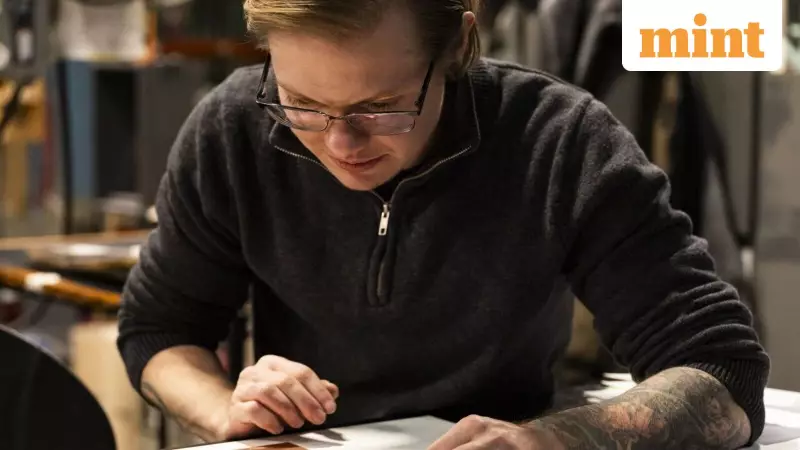
The training process itself acts as a major barrier. Engravers like 33-year-old Spencer Goodrow etch incredibly fine lines into copper plates. The acceptable margin of error is smaller than the width of a human hair. They stand for up to eight hours daily operating antique printing presses. Only about half of all trainees succeed. Some quit. Others fail to meet the company's exacting standards. Apprentices often spend a full year mastering a single color before attempting more complex designs.

"You're gonna get mad," Goodrow warns new trainees about the temperamental presses. He notes that some machines are "older than grandfathers." The work demands relentless focus. "You have to live in a state of perfection every single day," says CEO Robert Buhler.
The Wage Challenge and Recent Changes
Despite the rare skill set, wages have not kept pace with demand. New apprentices start at $18.50 per hour. After completing an apprenticeship, an engraver can earn up to $60,000 annually with bonuses. Since purchasing the company nearly two years ago, Buhler has raised wages by about 14% overall. Salaries for senior engravers jumped 22%. He also improved the employee health plan and began reimbursing commuting costs.
Buhler plans further raises but notes recent significant expenses from moving the company to a new building. Crane's recent history has been turbulent. After a relocation and ownership changes, the company's future seemed uncertain in early 2024. Buhler, a self-taught engraver from North Carolina, then took an equity stake. "It could use some vision and help and excitement around it, and I wanted to make that happen," he explains.
An Aging Workforce and Lost Generations
John Collins, the 66-year-old head of engraving, embodies the generational shift. He now commutes over an hour each way because he didn't want to start a new career in his sixties. When he started in 1995, he received three months of one-on-one training. The company easily filled open roles back then. They employed about two dozen engravers twenty years ago. "It's not the same generation that I came up in," Collins observes. He plans to retire this year.
The Meticulous, Unforgiving Process
Every Crane engraver starts with zero experience. The process is intensely manual and precise. Each design—a name, a floral pattern, an intricate Christmas tree—is first etched by laser into a copper plate. Artisans then refine it using hand-carving tools. The most time-consuming step involves crafting a thick "counter" card stock. This piece pushes the paper into the plate to create the raised impression.
Once on the press, engravers make minute adjustments to align paper with colored ink. Humidity, temperature, and the quirks of the antique machinery all affect the final print. Each color requires its own copper plate, increasing complexity. On a Christmas card featuring a ballerina ornament, the red lips must align perfectly. If they are off by a hair's width, the entire process restarts. Such flaws are invisible to most, but "our customers know," says Buhler. A six-person quality control department scrutinizes every piece for imperfections.

A Glimmer of Hope in New Talent
Despite the challenges, some find deep fulfillment in the work. Lucien Myette, 31, started four years ago after working at a convenience store. He began in packaging but arrived early to watch the engravers. When an opening appeared, he thought, "I want it, I need it." Now, Crane relies on him for complex designs. He finds the blend of artistry and technique deeply appealing. Myette is driven by the desire to create heirlooms. "Even if I make wedding invitations every week, these people are only getting married once," he says. "I want them to get the best thing they possibly can."
The story of Crane Stationery highlights a broader truth. In an age obsessed with AI, certain irreplaceable human skills still define excellence. The future of this craft depends not on machines, but on attracting new hands willing to pursue an ancient perfection.