A social media post by an artificial intelligence expert, suggesting that generative AI tools can effectively replace traditional astrologers, has sparked significant online discussion and curiosity.
The Viral Claim: AI as a Mirror for Self-Discovery
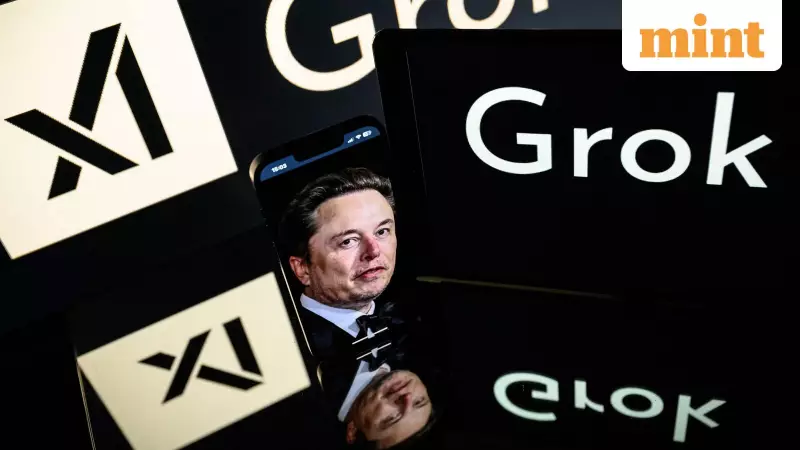
Dipti Sharma, an AI specialist, took to X (formerly Twitter) on Sunday with a bold declaration: "GOODBYE ASTROLOGERS." Her argument centres on the capability of advanced chatbots, like Grok, to provide highly personalised and insightful readings using only a person's date of birth. According to Sharma, these AI tools can replicate the depth of analysis found in birth charts, horoscopes, and tarot readings.
She emphasised that the experience is not rooted in mysticism but in structured prompting and sophisticated pattern analysis. This method, she claims, leads to results that are "unsettlingly accurate" for self-discovery, framing the process as one of introspection rather than supernatural prediction.

The Nine Prompts Powering AI-Powered Introspection
In her viral post, Sharma shared a complete set of nine prompts designed as reflective frameworks. Users can copy and paste these directly into an AI chatbot, replacing "[insert dob]" with their own birth date. The prompts are crafted to guide the AI in analysing personality, strengths, weaknesses, and life patterns.
The shared prompts include:
- The Life Blueprint Decoder: This prompt asks the AI to act as a life path analyst, using psychology, numerology logic, and life pattern mapping to reveal core personality traits, hidden strengths, blind spots, and long-term purpose.
- Personality Pattern Revealer: It instructs the AI to identify recurring emotional, behavioural, and decision-making patterns based on the birth date and explain their impact.
- Strength And Weakness Breakdown: This prompt directs the AI to list natural advantages and internal weaknesses, along with strategies to leverage or neutralise them.
- Life Timing Analyzer: The AI is asked to identify key life phases, highlighting past turning points and potential future periods.
- Relationship Mirror: This prompt focuses on how an individual shows up in close relationships, including attachment tendencies and conflict triggers.
- Career Alignment Scanner: It guides the AI to identify suitable career paths and environments that align with natural strengths.
- Inner Conflict Decoder: This prompt asks for an analysis of internal contradictions within the personality.
- Purpose Clarifier: It seeks to define a single core theme or purpose that an individual's life seems to circle around.
- Future Pattern Forecast: This final prompt outlines likely future challenges and growth lessons, focusing on mindset shifts instead of concrete predictions.
A Growing Trend: From Productivity Tools to Digital Mirrors
Sharma's post underscores a broader, emerging trend where people are increasingly turning to AI for self-reflection and personal growth. As chatbot technology becomes more sophisticated, its role is expanding beyond mere task automation and productivity. These tools are now being positioned as accessible platforms for deep identity exploration, purpose clarification, and behavioural understanding.
The key takeaway from this development is the democratisation of personal insight. AI tools, guided by the right prompts, can facilitate a structured form of introspection that many find valuable for gaining clarity about their habits, motivations, and direction. This shift represents a significant evolution in how technology interacts with the deeply human quest for self-knowledge.