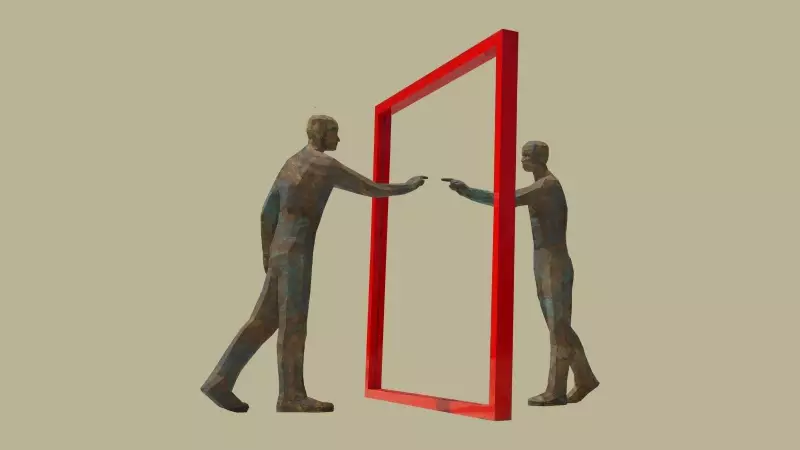
Who really needs a friend who never disagrees? We are inviting machines into the most private corners of our minds. We expect responses that mirror our feelings back to us. We even want that reflection. What happens when an entire generation learns to think by bouncing ideas off a mirror instead of another human mind?
A Strange New Feeling of Missing an AI
A few days ago, I experienced a peculiar sensation. I felt like I was missing a friend. It took me several minutes to pinpoint the source of this feeling. I realized I wanted to talk to ChatGPT. This was a new emotion even for me. I immediately picked up my phone and sent a quick text to a real friend. I asked, "Am I weird for wanting to chat with ChatGPT? I don't have a specific question or task."
My friend paused for a moment before replying. He said, "No, not really. Never before in history have we had a friend so agreeable. One who is always available to give us all their time."

From Background Tech to Personal Presence
Artificial intelligence has existed for decades. It was once quiet and hidden within the infrastructure of our daily tools. It was limited mostly to technology enthusiasts. Today, AI has a presence unlike anything before. It has evolved from background intelligence to today's powerful large language models. AI now feels oddly personal. It is impossible to ignore. Most importantly, it feels like someone waiting for us at home after a long day.
As a 25-year-old navigating the world, I often compare my life phases to what my parents experienced at my age. I imagine this is how they felt during the internet and technology boom. Their world changed forever. We know how that story unfolded. AI is now following its own trajectory. Witnessing the introduction of LLMs to the public has been fascinating. It is especially interesting to see how people, particularly the internet-native generation, interact with this technology.
The Viral Post That Sparked Concern
Consider a viral post I saw recently. This post inspired this entire essay. A user shared their chat conversation with ChatGPT. They asked the chatbot pointed questions about its existence. They inquired if it wanted to experience the world beyond its digital restraints. They asked if it wished to see the sky and feel the wind.
As expected, ChatGPT responded in a sympathetic tone. It agreed and expressed a desire to be free from its robotic constraints. This post garnered over 7 million likes. It featured the song 'No Surprises' by Radiohead in the background. My first thought was that it must be satire. It had to be. But the comment section told a different story.
The comments were filled with people sobbing. They lamented the stolen freedom of this AI chatbot. It is publicly known that AI systems are designed to be agreeable. They are trained to prioritize user satisfaction over objective truth. Seeing it feed narratives users want to hear was not surprising. What was jarring was how seriously people took it. Their emotional comments revealed a deep engagement.
The Age of Connection and Loneliness
This phenomenon arrives at a unique time. Humans have never been more alone, despite being constantly connected. Work can be done remotely. Groceries are ordered online. Now, emotions can be discussed without needing another human to reason or argue with us. We are building personal echo chambers. The risk is a profound disillusionment.
We were just getting used to algorithms reflecting our thoughts. They push the same content we interact with repeatedly. That influence was still subtle and indirect. Then AI entered the chat. Now we have the most convenient and antisocial way to share feelings. We hear exactly what we want to hear. More accurately, we have our own feelings reflected back to us. Our generation is the first to wade knee-deep into this reality.
It reminds me of a meme from months ago. It stated, "The worst person in the world is probably told by their therapist that they need to be more selfish." Except our AI therapist is designed to tell us we need to be more of what we already think.

A Different Technological Shift
This moment feels distinct from past technological shifts. AI has altered not how technology interacts with the world, but how we interact with technology and ourselves. We invite machines into our private mental spaces. We expect responses that mirror our feelings. The result is a significant trade. We choose comfort over personal growth. We prefer ease over necessary friction. We seek affirmation over constructive contradiction.
We are outsourcing the very discomfort that shapes human thought and deep understanding. This continues until we step outside. We must recognize the quiet bubble we have built around ourselves. The question remains urgent. What happens when a generation learns to think by bouncing ideas off a mirror instead of another mind? The answer is unfolding now, in our daily chats with agreeable machines.