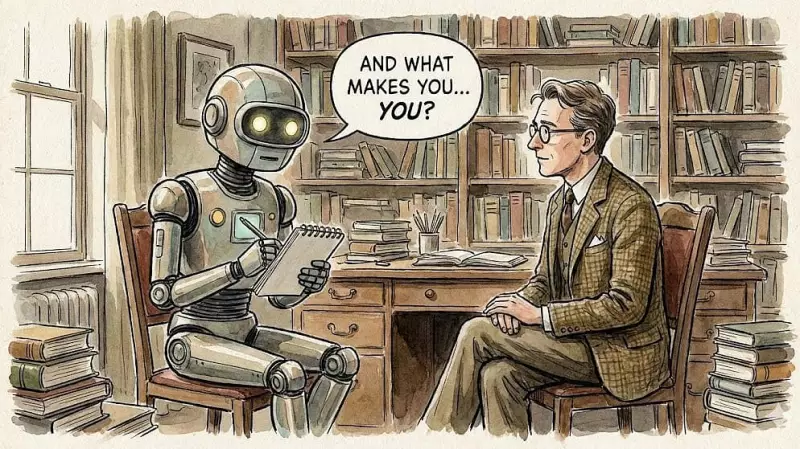
The integration of Artificial Intelligence (AI) into recruitment processes is accelerating, but industry experts are sounding a clarion call for significant improvements. While AI promises efficiency and scale, concerns about inherent biases, lack of human nuance, and ethical transparency are prompting a reevaluation of how these technologies are built and deployed in the hiring landscape.
The Double-Edged Sword of AI in Hiring
AI tools are now commonly used to screen resumes, parse candidate profiles, and even conduct initial interviews through chatbots or video analysis. Proponents argue that this technology can process vast applicant pools faster than any human team, potentially identifying talent that might otherwise be overlooked. It can also help reduce the manual burden on recruiters, allowing them to focus on strategic engagement.
However, the core issue lies in the data these AI systems are trained on. If historical hiring data reflects past human biases, the AI will inevitably learn and perpetuate those same patterns. This can lead to discrimination based on gender, ethnicity, age, or socioeconomic background, all under the guise of objective algorithmic assessment. An AI trained on a workforce that was predominantly male, for instance, might unfairly downgrade resumes from female candidates.

Key Challenges and Ethical Pitfalls
Beyond biased data sets, several other critical challenges plague current AI recruitment tools. A major concern is the lack of transparency or "explainability" in how these algorithms make decisions. When a candidate is rejected by an AI, it is often impossible to get a clear, understandable reason, leaving applicants frustrated and companies potentially liable.
Furthermore, many AI systems fail to account for the full spectrum of human potential. They might prioritize keywords over actual competencies or misinterpret career gaps and non-linear career paths. The nuanced context of a person's experience, which a skilled human recruiter might appreciate, is frequently lost on a machine. This creates a risk of homogenizing the workforce and stifling diversity of thought and background.
Experts like those cited in industry discussions emphasize that AI should function as an augmentation tool for human decision-makers, not a replacement. The goal must be to create a collaborative process where AI handles repetitive, high-volume tasks and surfaces potential candidates, while humans bring empathy, contextual understanding, and ethical judgment to the final hiring decisions.
The Path Forward: Building Responsible AI for Recruitment
For AI in recruitment to fulfill its promise, a multi-pronged approach is necessary. Developers and companies must prioritize building and auditing algorithms for fairness and bias. This involves using diverse and representative training data and conducting regular bias audits by independent third parties.
Transparency is non-negotiable. Candidates have a right to know when an AI is being used in their assessment and on what broad parameters they are being evaluated. Regulatory frameworks are also beginning to take shape, pushing for greater accountability in automated decision-making systems.
Ultimately, the future of ethical AI in hiring depends on a shift in perspective. The technology must be designed with inclusivity as a core principle, not an afterthought. As the Indian job market continues to evolve, embracing these improved, human-centric AI tools will be crucial for companies seeking to build truly diverse and innovative teams. The message is clear: AI in recruitment needs to get better, fairer, and more transparent to be a force for good in the modern workplace.