

In the world of aviation, an unspoken yet profound covenant binds every journey. Each time a passenger steps onto an aircraft, they surrender something invaluable: trust. This trust is placed in the hands of the manufacturer, the airline, and the regulatory bodies tasked with safeguarding the public interest. It is this foundational trust that enables millions to traverse the skies with confidence, day after day.
The Incident That Echoes Beyond a Single Aircraft
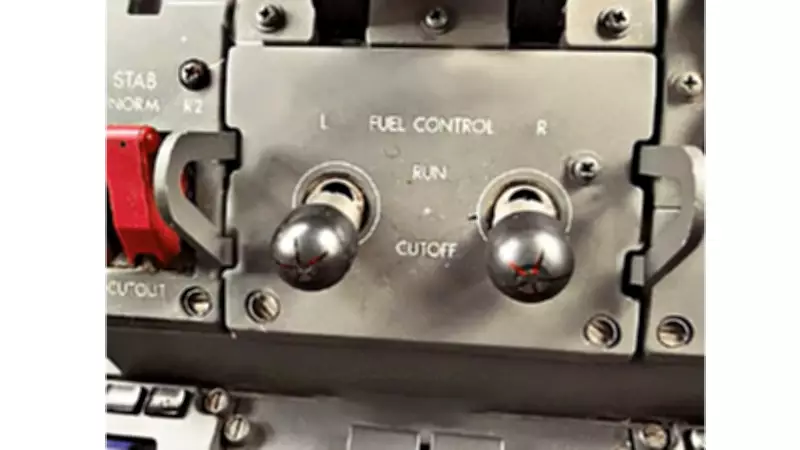
Recently, Air India made headlines with its precautionary grounding of a Boeing 787 Dreamliner. The decision came after a pilot reported a potential issue with the fuel control switch, a component critical to the aircraft's operation. While the event itself might be classified as minor or isolated, its implications ripple far beyond the confines of that one plane.
Unpacking the Significance of Rare Events
Aviation safety is built on a meticulous framework designed to handle both common and rare occurrences. When something unusual, like this fuel switch concern, emerges, it serves as a litmus test for the entire industry's response mechanisms. The swift action taken by Air India underscores a proactive approach, but it also raises questions about the broader context of aircraft reliability and manufacturer accountability.

This incident brings to the forefront the critical role of transparency from aerospace giants such as Boeing. In an era where technological advancements are rapid, stakeholders demand clear communication and robust safety assurances. The grounding acts as a reminder that even rare anomalies must be addressed with utmost seriousness to preserve the fragile trust that underpins global aviation.
The Intersection of Artificial Intelligence and Aviation Safety
As we reflect on this event, the potential of artificial intelligence (AI) in revolutionizing aviation safety becomes increasingly relevant. AI technologies could enhance predictive maintenance, real-time monitoring, and anomaly detection, potentially preventing such issues before they escalate. By integrating AI-driven solutions, the industry might fortify its safety protocols, ensuring that trust is not just maintained but strengthened.
In conclusion, Air India's precautionary measure is more than a routine safety check; it is a testament to the enduring importance of vigilance in aviation. It calls for a renewed commitment from all parties—manufacturers, airlines, and regulators—to uphold the sacred trust of passengers. As we move forward, embracing innovations like AI could be key to navigating the complexities of modern air travel, ensuring that the skies remain a domain of safety and reliability for all.

