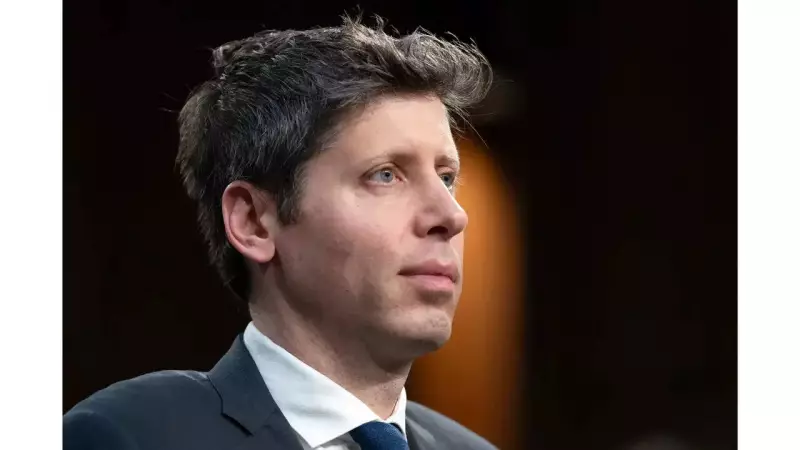
OpenAI CEO Sam Altman Criticizes ICE, Takes Indirect Jab at Meta's Mark Zuckerberg
In a recent internal communication to employees via Slack, OpenAI Chief Executive Officer Sam Altman has voiced strong criticism against the United States Immigration and Customs Enforcement agency. During this message, Altman also appeared to make a subtle yet pointed remark directed at his corporate rival, Meta CEO Mark Zuckerberg, regarding differing perspectives on corporate culture and masculinity.
Altman's Message Against Changing Corporate Fashions
As reported by Business Insider, Altman informed his staff that the creators of ChatGPT, OpenAI, strive to maintain their core principles without being swayed by transient trends. He emphasized, "We aim not to get blown around by changing fashions." In a particularly notable statement, Altman added, "We didn't start talking about masculine corporate energy when that was popular." This comment has been widely interpreted by industry observers as a veiled critique of Mark Zuckerberg's recent public statements championing masculine energy within corporate environments.
Zuckerberg's Advocacy for Masculine Corporate Culture
Mark Zuckerberg, during an appearance on The Joe Rogan Experience podcast last year, articulated his belief that contemporary corporate culture has moved excessively away from masculine qualities. The Meta CEO argued, "The masculine energy, I think, is good... It's one thing to say we want to be welcoming and make a good environment for everyone. It's another to basically say that masculinity is bad." Zuckerberg further elaborated that while companies should be inclusive, they shouldn't diminish masculine traits, acknowledging that women might perceive corporate environments as overly masculine but stressing the importance of celebrating business aggression.

Broader Context of Altman's Corporate Philosophy
Beyond the specific remarks about masculinity, Sam Altman's memo to OpenAI employees positioned the company as steadfast against fleeting cultural movements. He noted that OpenAI didn't "become super woke when that was popular," reinforcing the organization's commitment to long-term vision rather than temporary societal trends. This corporate philosophy statement was coupled with his criticism of ICE, reflecting Altman's broader concerns regarding government enforcement practices and their implications.
Intensifying AI Talent War Between Tech Giants
This exchange represents the latest development in the escalating competition for artificial intelligence expertise between OpenAI and Meta. Zuckerberg has been aggressively pursuing OpenAI's top talent, reportedly offering signing bonuses as substantial as $100 million to key personnel. While Altman claimed last year that none of OpenAI's leading employees had accepted such lucrative offers, Meta has successfully recruited several prominent figures from OpenAI, including ChatGPT co-creator Shengjia Zhao and three researchers from OpenAI's Zurich office.
The rivalry has reached such intensity that Zuckerberg personally delivered soup to an OpenAI employee he was attempting to recruit, highlighting the extraordinary measures being taken in this high-stakes talent acquisition battle. This incident underscores the competitive pressures within the AI industry as companies vie for limited specialized expertise.
Corporate Leadership and Cultural Direction
The contrasting approaches of Altman and Zuckerberg reveal deeper philosophical differences about corporate leadership and organizational culture in the technology sector. While Zuckerberg advocates for embracing traditionally masculine business aggression, Altman positions OpenAI as resistant to such cultural pendulum swings, favoring consistency and long-term strategic focus. This divergence reflects broader debates within Silicon Valley about diversity, inclusion, and the fundamental characteristics that drive innovation and success in competitive markets.