Picking up a metal detector while wandering through a windy meadow on a serene weekend might seem like just another hobby. But for a common adventurer exploring the magnificent valleys of Cumbria in Northern England, this simple pastime changed everything we know about the Roman Empire. In May 2010, an amateur detected a strong metallic signal from beneath the soil during a typical exploration trip.
The Discovery of the Crosby Garrett Helmet
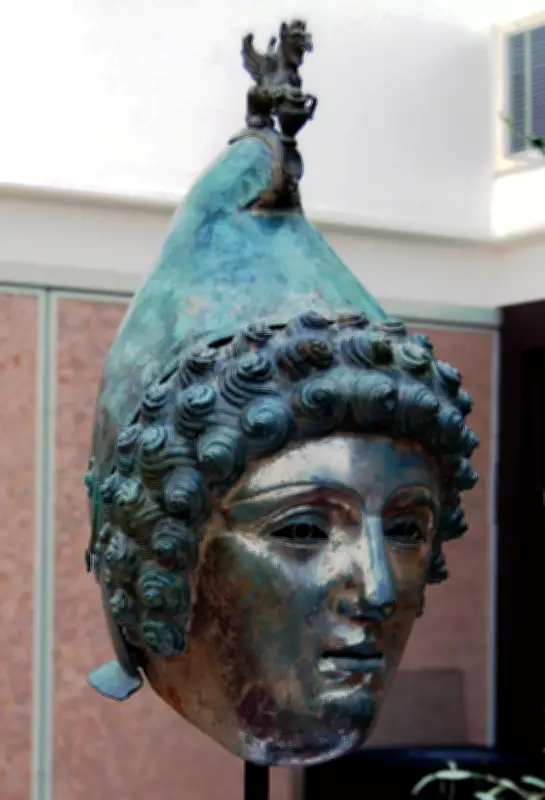
Digging just beneath the topsoil, he pulled out a messy cluster of highly corroded, green-tinted metal pieces heavily caked in mud. At first glance, the crushed objects looked like ordinary scraps of discarded copper or old farming junk. However, because the artifacts had unique artistic ridges, the owner collected them and gave them to specialist antique restorers. The result amazed historians worldwide. Instead of junk metal, these crushed pieces were reassembled like a jigsaw puzzle to form a very rare and valuable two-thousand-year-old ceremonial object, now known as the Crosby Garrett Helmet.
Reassembling the Lost Equipment of Imperial Cavalry
The spectacular discovery made an immediate impression because the artifact was not designed for ordinary battles. According to a research paper titled The Crosby Garrett Helmet, published in the journal Papers from the Institute of Archaeology, the artifact is a complex Roman cavalry parade helmet. The brilliant bronze armor features an incredibly lifelike face-mask visor showing a youthful, classical face, topped by an intricate cast-bronze sculpture of a mythological griffin. Instead of serving as defense against blades and spears, such specialized armor was used solely for spectacular military contests and grandiose demonstrations. These events gave rich knights the chance to demonstrate their equestrian prowess, exhibit wealth, and display the Empire's power to spectators. As a soldier rode into a brightly lit arena wearing this radiant helmet, the glowing bronze mask would appear as a living deity.

The Mixed Blessing of a Disturbed Historical Archive
Despite the undeniable aesthetic value of the reconstructed helmet, the manner of its recovery divides historians. In the analysis featured in Papers from the Institute of Archaeology under the title The Portable Antiquities Scheme and the Treasure Act, the helmet was unearthed without proper scientific documentation of the area. Because trained excavators could not examine soil layers or search for accompanying artifacts, crucial clues about why the priceless armor was buried in a remote field remain permanently lost to history.
Currently, the amazing helmet is preserved privately but is borrowed for important public exhibitions, attracting enormous crowds of families wanting to see the face of Roman Britain. The tale is a testament that remarkable histories hide just beneath our feet. It shows that history-making discoveries do not necessarily require millions of dollars from university coffers. Sometimes, all one needs is patience, a simple metal detector, and a bit of luck to uncover an astounding piece of ancient history. It is incredible to think that while farmers drove tractors over those tranquil Cumbrian lands for decades, the image of a Roman god lay peacefully underground just below them.