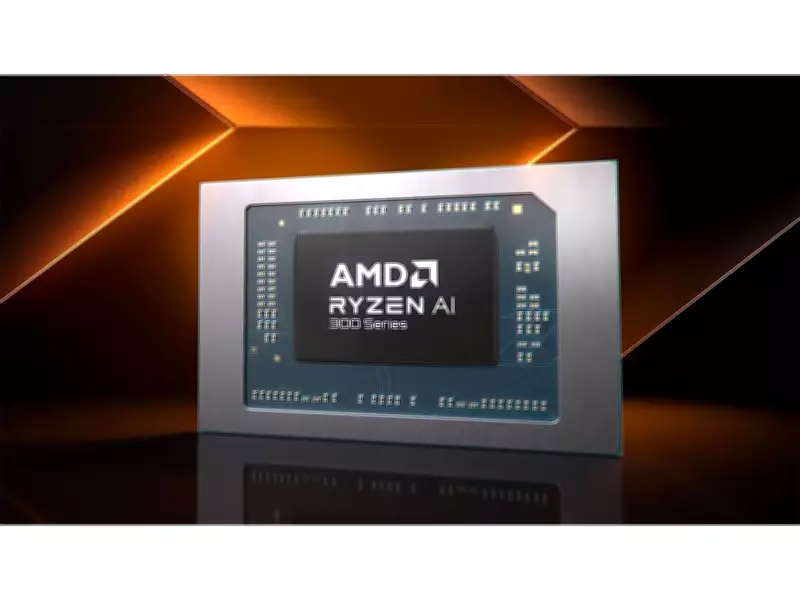
Advanced Micro Devices (AMD) has announced a massive $10 billion investment in Taiwan's chip ecosystem to accelerate artificial intelligence (AI) development. The investment aims to strengthen partnerships with Taiwanese semiconductor manufacturers and expand manufacturing capacity for next-generation processors.
Strategic Investment in AI
AMD's investment underscores the growing importance of AI in the global semiconductor industry. The company plans to collaborate closely with Taiwan-based chipmakers to develop advanced packaging and manufacturing technologies. This move is expected to enhance AMD's competitive edge against rivals like Nvidia and Intel.
Boosting Taiwan's Chip Ecosystem
Taiwan is a critical hub for global semiconductor production, housing industry giants like TSMC. AMD's investment will support local suppliers, research institutions, and startups, fostering innovation in AI chip design. The funds will also be used to build new facilities and upgrade existing ones to meet the surging demand for AI accelerators.

Impact on AI Advancement
The investment is poised to accelerate the development of high-performance computing and AI applications. AMD's next-generation processors, including the MI300 series, rely on advanced chiplet designs and 3D packaging, which require close collaboration with Taiwanese partners. This ecosystem investment ensures a stable supply chain and faster time-to-market for AI solutions.
Global Implications
AMD's commitment to Taiwan comes amid geopolitical tensions and global chip shortages. The investment signals confidence in Taiwan's semiconductor industry and its role in the AI revolution. It also highlights the strategic importance of regional partnerships in maintaining technological leadership.
Future Outlook
With this $10 billion infusion, AMD aims to capture a larger share of the AI chip market, projected to reach $500 billion by 2030. The company expects to create thousands of jobs in Taiwan and drive innovation in machine learning, data centers, and edge computing.
Industry analysts view this as a landmark investment that will reshape the AI landscape. AMD's focus on open-source software and collaborative development is expected to complement its hardware advancements, offering customers more flexible AI solutions.