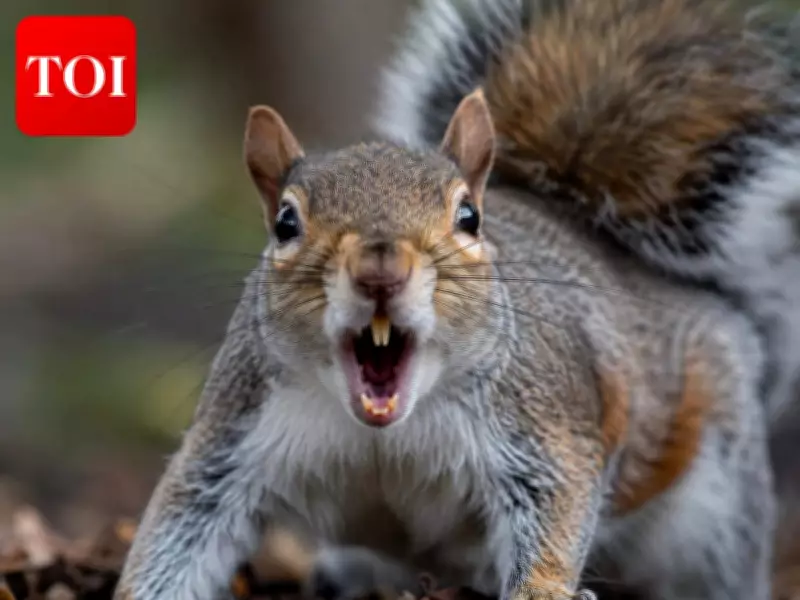
When most people think of squirrels, they imagine animals nibbling on seeds, nuts, and berries. However, a new study indicates that some of their ancient relatives consumed a more startling diet. Scientists found evidence in fossilized ground squirrel feces from Canada's Yukon Territory that these small mammals ate mammoth, bison, horse, and even large cats during the Pleistocene. Their research paints an unusual picture of extinct ecosystems and is among the oldest DNA found in North America.
A Frozen Storehouse Under the Ground
The fossilized feces, technically coprolites, were uncovered in Klondike, Yukon, where melting glaciers and mining exposed permafrost layers. Researchers found masses of these ancient droppings packed inside squirrel burrows. According to the Nature Communications study, led by biomolecular archaeologist Tyler Murchie of Canada's Hakai Institute, the coprolites ranged in age from roughly 17,000 to 700,000 years old. That means some of them date back to the Middle Pleistocene, a period when mammoths, giant bison, and other now-extinct animals roamed North America.
Mammoth in Their Diet
Researchers extracted environmental DNA from within the droppings, showing scientists a rich depiction of the diet of these ground squirrels. A surprising breadth of species was found to have their DNA embedded within the droppings, from mammals to other squirrels to birds and insects. DNA from birds, insects, parasitic worms, and large predators all turned up in the sample. The species closest related to modern pumas also produced DNA suggesting these animals may have fed on predators' kills. Researchers explained that, rather than hunting, these ground squirrels probably scavenged dead carcasses scattered across the land. Biologist Bryan McLean explained how modern ground squirrels eat animal matter when given the chance after emerging from their hibernation and needing a food source high in protein. "I've seen them eating roadkill individuals of the same species," McLean told Nature.

Zombies of the Pleistocene
One of the more striking comments in the study came from paleoecologist Mikkel Pedersen. He described how the animals may have emerged from beneath the ice and snow after extended dormancy to discover a bounty of carcasses across the Ice Age land. These squirrels, he suggested, "were zombies of the Pleistocene" feeding off the remnants of some of the largest animals ever to live on Earth. Another surprising finding in the article was the identification of the DNA of a new subspecies of Arctic ground squirrel that seems to have disappeared as temperatures rose and climates changed. Researchers suggest that some mammoth DNA found in the coprolites could be the oldest yet discovered in North America.
Why Fossilized Poop Matters
While studies of ancient DNA typically look for evidence in bones, researchers discovered that ancient animal feces provided a biological archive where plants, insects, parasitic worms, and even predators could be preserved. These middens provided scientists with a detailed record of climate change across many ice ages, helping them study food webs and how species responded to a changing planet. What seems like nothing more than dung to the average person became a rich trove of data for studying Ice Age North America. The finding is a reminder that not all evidence for prehistory lies in skeletons or fossils. Sometimes we find clues in the most unlikely places.