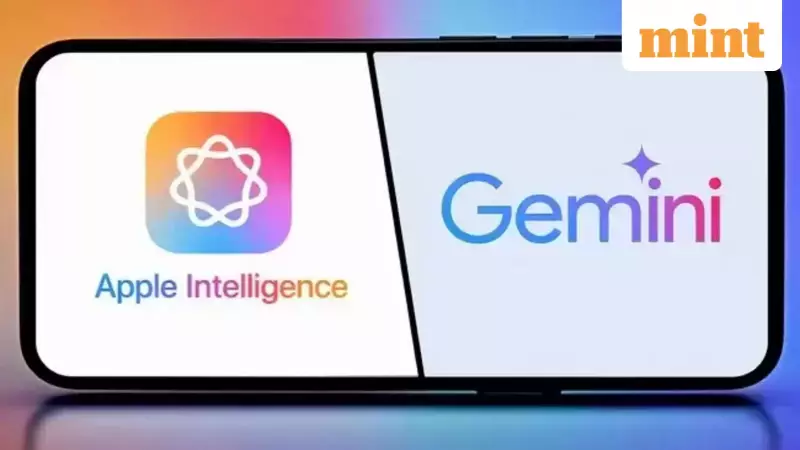
Recent reports indicate Apple is actively discussing a partnership with Google to bring Gemini AI models into the next generation of Siri and Apple Intelligence. This move would mark a significant shift for Apple, a company historically known for its full-stack control over technology. By potentially integrating Gemini, Apple aims to enhance Siri's performance more rapidly than relying solely on in-house development.
What This Partnership Means for Apple
If the plan proceeds, Apple would maintain ownership of Siri's interface and product decisions while leveraging Google's advanced AI capabilities. This collaboration underscores Apple's urgency to catch up in the competitive AI landscape. The company insists that privacy rules and data handling will remain under Apple's strict terms, ensuring user trust is not compromised.
How Gemini Could Transform Siri
The reported integration involves Gemini supporting key aspects of Siri's next evolution. Google would provide cloud support and AI capabilities, while Apple controls how Siri operates across iOS devices. This is not merely an add-on feature; it represents a foundational change in how Siri understands user intent, maintains context, and handles multi-step requests.

Immediate Benefits for iPhone Users
For everyday users, the inclusion of Gemini in Siri could lead to a more reliable and intuitive assistant. Siri might stop feeling brittle and start functioning as a practical tool for daily tasks. Users could experience fewer dead ends, better follow-up responses, and reduced need to repeat commands during conversations.
Small, real-world moments would see improvement. For example, asking Siri to set a reminder and then adding "do the same tomorrow" could work seamlessly. Similarly, requesting a quick summary saved to Notes might no longer result in dropped threads, addressing common frustrations.
Privacy and Processing Considerations
Apple is expected to prioritize privacy through a combination of on-device processing and Private Cloud Compute. This approach ensures requests are not automatically routed to Google, preventing Siri from feeling like a Google service with an Apple badge. Maintaining user trust is crucial for Apple in this potential partnership.
Expected Timeline and Rollout
Reports suggest a rollout could occur later in 2026 via iOS updates. Apple has not provided a precise public schedule, so specific dates should be viewed as estimates rather than firm promises. The timeline aligns with Apple's typical development cycles for major software enhancements.
Why This Move Makes Sense for Siri
Siri has faced criticism for years regarding language understanding, context retention, and multi-step task handling. By incorporating Gemini, Apple could quickly elevate Siri's baseline performance. This is vital as digital assistants become essential, with users expecting phones to manage messy phrasing, follow-up questions, and complex tasks without failure.
The best outcome for users is straightforward: Siri could transform into a reliable daily assistant rather than a tool to avoid. Currently, Siri often struggles with slightly complicated requests, but Gemini integration might change that.
Risks and Trade-offs for Apple
Apple's primary trade-off is control. If Gemini becomes a foundational dependency, Siri's roadmap could be partly tied to Google's pace and priorities. This is uncomfortable given Google's status as a direct competitor with its own phones and assistant ambitions.
Differentiation poses another risk. Android phones already feature Gemini capabilities, so Apple cannot compete on raw AI power alone. Instead, Apple must differentiate through system integration and how Siri works across its ecosystem. This is challenging but aligns with Apple's traditional strengths in creating cohesive user experiences.
Long-term Strategic Implications
If Gemini becomes a common layer across both iOS and Android, Google gains significant distribution and influence over smartphone assistants. Apple must ensure it does not train users to expect identical behavior everywhere, preserving its unique brand identity.

Why Apple Might Proceed Despite Risks
This potential partnership can be seen as a focus on delivering value rather than surrendering control. Apple does not need to build every AI layer from scratch to offer a distinct experience. Even with Gemini supporting the foundation, Apple can make Siri feel different through system-level integration, first-party apps, and robust privacy measures that reflect its brand promise.
Moving forward with Gemini for Siri is both pragmatic and uncomfortable for Apple. It could modernize Siri while requiring Apple to share a critical platform layer with a rival. For iPhone users, the win is clear: a smarter Siri that handles real tasks would be a genuine upgrade. For Apple, 2026 will serve as a proof point, demonstrating that Siri can feel Apple-made even if the underlying intelligence is shared.