

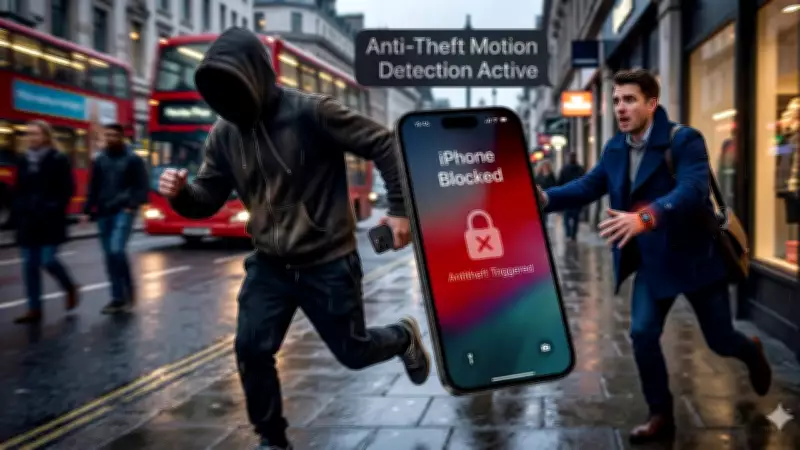
Apple is reportedly developing a new feature to enhance iPhone security by automatically locking the device the moment it detects a forcible snatch from a user's hand, according to a report by 9to5mac citing a code reference. This upgrade aims to shut down thieves in real time, adding to existing anti-theft measures like Find My, Activation Lock, and Stolen Device Protection.
How the Feature Works
The system draws heavy inspiration from Android's existing Theft Detection Lock. It relies on a combination of hardware sensors to recognize suspicious signals, such as the sudden, jerky motion characteristic of a phone being ripped out of someone's hand. Once this specific motion is confirmed, the device locks itself immediately.
To double-check if the phone has left its owner, the feature monitors the physical distance between the iPhone and a paired Apple Watch. A sudden drop in connection strength or a rapid increase in distance triggers the lock. Additionally, the feature integrates with Apple's existing Stolen Device Protection rules, constantly checking whether the iPhone is at a trusted location (like home or work) or connected to a familiar Wi-Fi network.

Current Status and Android Comparison
There is currently no official release date for the anti-snatch feature, but its presence in internal software code indicates it is under active development. On Android, automatic AI-powered screen lock is triggered when a user's phone is snatched. Google explains that Theft Detection Lock uses Google AI to sense if someone snatches your phone from your hand and tries to run, bike, or drive away. If a common motion associated with theft is detected, the phone screen quickly locks, helping keep thieves from easily accessing your data.
This new feature aims to secure the device instantly, providing an extra layer of protection in case the phone is snatched while it is already unlocked. Without such a feature, a thief sprinting away with an unlocked iPhone could access personal data and cause damage before the screen naturally times out.






