Are Dolphins, Sharks, and Whales Mammals? Here's What Science Says
At first glance, dolphins, sharks, and whales all cut similar figures as they glide through the ocean: sleek fins, smooth bodies, and that sense of effortless underwater grace. For years, people have lumped them into the same animal group, sometimes calling whales “huge fish” or assuming sharks are mammals. The confusion pops up everywhere, and honestly, it isn’t totally crazy, given how much these creatures look alike.
But here’s the truth: dolphins and whales are mammals. Sharks are fish. That’s the scientific fact, but honestly, it gets much more interesting when you dig a little deeper. These animals look so much alike, not because they’re close relatives, but because they all evolved clever adaptations for living in the water.
Evolution loves a neat shortcut. When different creatures face the same problems, you often end up with similar solutions, even if they came from totally different places. Scientists call it “convergent evolution.”

So, what makes dolphins and whales mammals, and sharks just fish? Let’s break the facts down.
Dolphins: Mammals Underwater
The idea that dolphins are mammals catches a lot of people off guard. After all, they live in the ocean, but if you break down the mammal basics, dolphins tick every box. For starters, they breathe air and have lungs. Unlike fish, they have to swim to the surface regularly, gulp air through a blowhole, and if they can’t get to the surface? They’ll actually drown. They’re also warm-blooded, which means they keep a constant body temperature, just like we do. Fish aren’t built that way.
Another important pointer: dolphins have live babies and nurse them with milk from mammary glands. That’s the mammal club’s core requirement. Per the Environmental Literacy Council, dolphins are actually more closely related to cows or hippos than to sharks or tuna. Their ancestors walked on land millions of years ago… Try imagining that next time you see one leap!
Whales: Ocean Giants, But Still Mammals
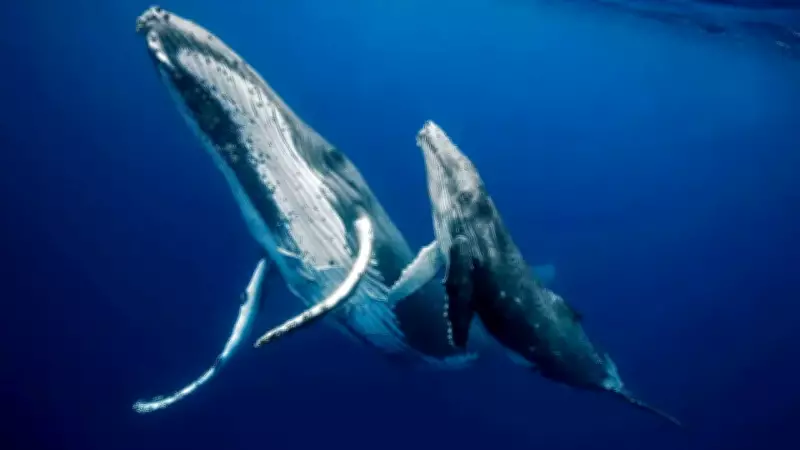
Whales tend to trip people up, mostly because of their size and how much time they spend underwater. But they’ve got all the mammal features that dolphins do: air-breathing lungs, warm blood, live babies, and milk.
There’s even physical evidence of their land-dwelling history. If you look at whale skeletons, you’ll find tiny remains of a pelvis, the leftover bits from ancestors who walked on four legs. According to the National Ocean Service, this is called a vestigial trait, but really, it’s a fossil built into their bones. Biologically, dolphins, whales, and porpoises are part of a group called Cetacea. Dolphins are actually a kind of toothed whale, not a separate team.
Sharks: Fish, Through and Through
Sharks, on the other hand, couldn’t be less like mammals below the surface. They breathe through gills — they have no lungs, and they never need to surface for air. Their skeletons are made mostly of cartilage, which is a completely different setup than the bony skeletons of most fish (and all mammals). Sharks are usually cold-blooded, too, and they don’t make milk for their young. Some lay eggs, some give birth to live pups, but there’s nothing mammalian about it.
Why the Confusion?
Visually, dolphins and sharks look almost like underwater cousins. That’s thanks to convergent evolution; the same torpedo-shaped bodies, dorsal fins, and tail flukes just work when you need to move fast through water. But evolutionarily, sharks are ancient, as they’re hundreds of millions of years older than mammals.
But why do they all look alike, then? Because the ocean shapes its creatures for survival above all. Streamlined bodies reduce drag and help everyone swim faster. Living in the same environment led very different animals to look alike, which is an evolutionary mirage that still tricks people today. That’s why identifying by anatomy or family tree matters more than by looks.
However, at the end of the day, dolphins and whales have all the hallmarks of mammals, even if they’ve given up land legs for life in the water. Sharks, for all their size and smarts, are still just very impressive fish.