

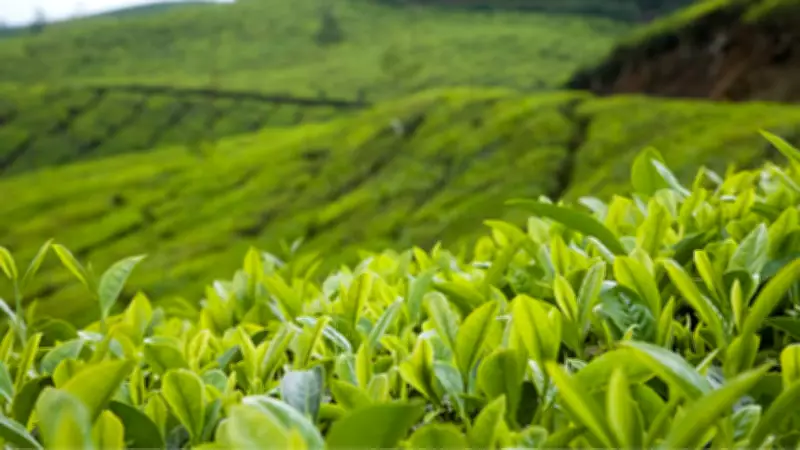
If you have been drinking tea your whole life and never tried Assam Orthodox, you are missing something extraordinary. Most people think they understand tea. They have had their morning cup, perhaps grabbed something fancy at a café. But Assam Orthodox Tea is different in a way that fundamentally changes how you perceive the beverage. And the place it comes from, a region in northeastern India called Assam, is literally the tea capital of the world.
Assam's Global Dominance in Tea Production
Assam produces 52 percent of India's total tea, which amounts to approximately 630 to 700 million kilograms annually. Moreover, Assam contributes one-sixth of all tea produced on the entire planet. That is not a niche product; that is a global powerhouse that most people have never heard of. Assam is often referred to as the "Tea Capital of the World." Its journey with tea began in the 1830s when the British identified the region's perfect climate and soil for tea cultivation. Assam has since focused on doing what it does best: producing massive quantities of bold, full-bodied black tea that powers English Breakfast blends and gets shipped around the globe.
What Makes Assam Orthodox Actually Special
Most Assam Tea is grown almost at sea level in the rich loamy soil of the Brahmaputra flood plains. The Orthodox variety specifically—which received its Geographical Indication (GI) tag in 2008—is what separates the real deal from mass-produced tea. Assam Orthodox Tea is robust, full-bodied, and brimming with energy. It is known for its briskness, burgundy red color, and distinctive malty flavor. Taste a cup, and you understand immediately. The color is a gorgeous amber-red that makes you feel like you are holding something real and substantial.

The tea is packed with powerful antioxidants, primarily polyphenols like flavonoids and catechins, which help neutralize harmful free radicals in the body. One study found that "infusions prepared from orthodox green tea had preferred sensory qualities as compared with that of CTC green tea, with lower astringency, and higher umami and overall acceptability score." The Guwahati Tea Auction Centre sold ₹3,850 crore of tea in the financial year 2025, breaking previous records. That is the world's busiest tea auction center, moving teas that will end up in cups across the Middle East, the United Kingdom, Japan, and Pakistan. The tea industry in Assam directly or indirectly employs over 1 million people, with a significant number being women.
As for prices, Orthodox variants can reach up to one thousand Indian rupees per kilogram in international markets. The premium Tippy Orthodox from Assam—that is the tea with the silvery tips, the rarest flush—can fetch even more. It is expensive because it is scarce, because it requires skill to produce, and because there is only so much that the land can yield.






