Asteroid 2024 YR4 Could Strike Moon in 2032, Creating Massive Impact and Debris
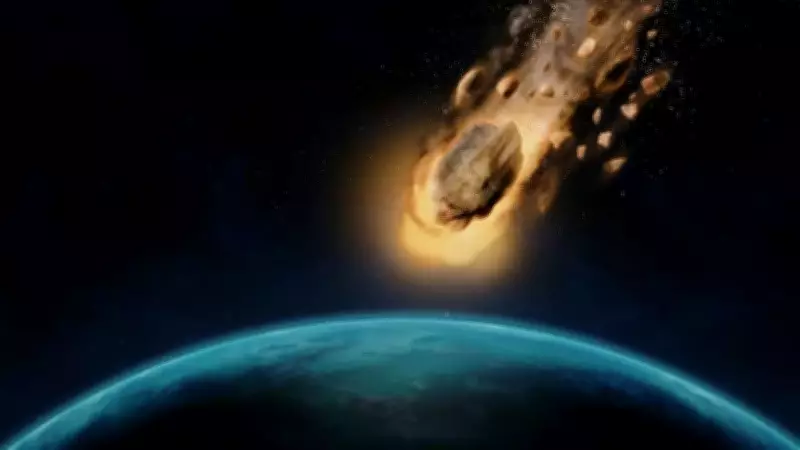
In a remarkable celestial event that has captured the attention of astronomers worldwide, a small asteroid named 2024 YR4, approximately 60 metres wide, could potentially collide with the Moon in the year 2032. While experts estimate the odds of this impact at a relatively low 4 percent, this probability is not negligible, sparking a mix of nervous anticipation and scientific excitement among researchers.
Potential Impact and Scientific Significance
The projected date for this possible lunar encounter is December 22, 2032. If asteroid 2024 YR4 does strike the Moon, the energy released would be staggering—estimated to be six orders of magnitude more powerful than the 2013 meteoroid impact. This event would essentially create a medium-sized thermonuclear blast on the lunar surface, offering scientists an unprecedented opportunity to observe crater formation and lunar geology in real time.
Researchers are already modelling the potential consequences, which could include:

- Craters roughly one kilometre in diameter
- Molten rock pools spanning hundreds of metres
- A magnitude 5.0 moonquake that would cause the Moon to shiver
- Approximately 400 kilograms of debris surviving reentry and potentially reaching Earth
This rare chance to witness such a significant impact live has been described as a once-in-a-lifetime experiment that could provide invaluable data about the Moon's composition and seismic activity.
Debris and Satellite Risks
The potential debris from this lunar impact poses significant concerns for Earth's orbital infrastructure. Simulations suggest that millions of tiny meteors could enter our atmosphere per hour following the impact, with up to 400 fireballs blazing across the sky every hour on the planet's leading edge.
Regions most at risk include:
- South America
- North Africa
- The Arabian Peninsula
While most debris pieces would be small, some fragments weighing several kilograms could potentially damage urban areas. Cities like Dubai might experience some impact. More critically, satellite constellations in orbit could face substantial danger, with the possibility of triggering Kessler Syndrome—a cascade of debris that could damage orbital networks for years.
Observation Opportunities and Scientific Benefits
Despite the risks, the scientific community recognizes extraordinary observation opportunities that such an event would present. People in the Pacific region might witness the initial impact illuminated against night skies, while advanced instruments like the James Webb Space Telescope could track the cooling melt pool for days using infrared technology.
The data collected would help scientists understand:
- Patterns of molten rock spreading on the lunar surface
- Crater formation under extreme conditions
- The Moon's internal structure and seismic responses
This real-time observation could finally answer longstanding questions about lunar composition and impact dynamics that simulations can only approximate.
Deflection Dilemma and Future Considerations
Space agencies are currently considering deflection missions to push asteroid 2024 YR4 aside and prevent the potential impact. However, this creates a scientific dilemma: while deflection would protect satellites and reduce debris risks, it would also eliminate the chance to witness this extraordinary lunar event and collect free lunar samples from the resulting debris.
This presents humanity with a strange trade-off—whether to risk orbital infrastructure for a unique scientific spectacle or to intervene and miss this rare observational opportunity. The decision represents a significant choice about how we balance scientific discovery with practical safety concerns in space exploration.
As scientists continue to monitor asteroid 2024 YR4's trajectory, they remain captivated by both the risks and possibilities. The event serves as a reminder of our fragile position in the cosmos while offering a potential scientific bonanza. Whether nature takes its course or human intervention alters the outcome, this celestial drama unfolding toward 2032 continues to inspire both caution and wonder in equal measure.