In a small village called Tilonia in Rajasthan, a grandmother with no formal engineering degree can assemble, install and repair a solar lighting system that powers homes hundreds of miles from the nearest electricity grid. This is the remarkable story behind Barefoot College's Solar Engineers programme, an initiative that has challenged conventional ideas about education, technology and development for more than two decades. By training rural women, many of whom are illiterate or semi-literate, to become solar engineers, the organisation has brought clean energy to some of the world's most remote communities. What began as an experiment in community-led development has evolved into a global movement spanning dozens of countries, proving that practical knowledge and local leadership can create lasting change where traditional solutions often fall short.
How Barefoot College turned rural grandmothers into world-changing solar engineers
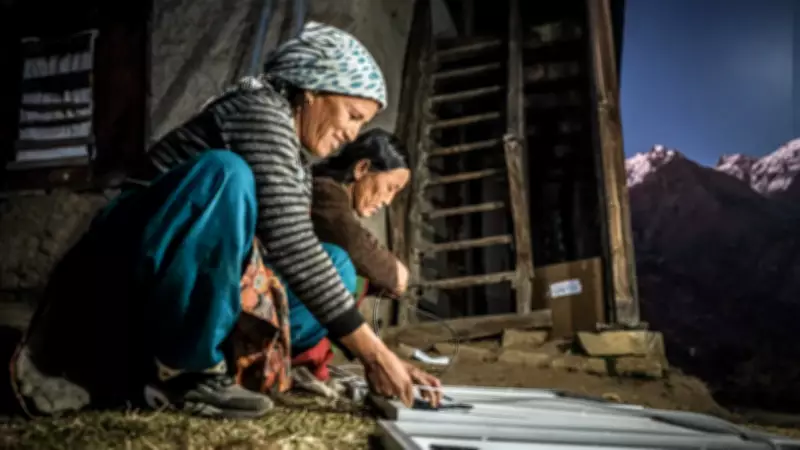
Most engineering programmes require academic qualifications, technical training and years of study. Barefoot College took a different path. Founded by Sanjit 'Bunker' Roy, the organisation built its philosophy around the belief that knowledge already exists within communities and that technology should be accessible to everyone. Instead of recruiting university graduates, Barefoot College trains women from remote villages, many of whom have never attended school, to become fully capable Solar Engineers. According to Barefoot College: "Barefoot College trains marginalised illiterate and semi-literate women from the Global South to become Solar Engineers." Participants undergo intensive practical training, learning how to design, assemble, install and repair solar lanterns and home-lighting systems through hands-on experience rather than textbooks. The women have become widely known as "Solar Mamas", a title that reflects both their technical expertise and leadership within their communities. The programme challenges a long-standing assumption that advanced technology can only be managed by highly educated specialists. Instead, it demonstrates that practical skills, confidence and local ownership can often deliver more sustainable results.
Why the Solar Mamas model is revolutionising renewable energy access worldwide
For many rural communities, access to electricity remains a daily challenge. Kerosene lamps are often expensive, hazardous and harmful to health. Barefoot College's solution focuses on training local women who remain within their communities long after outside experts have left. The organisation explains its mission as: "The organisation follows a Gandhian philosophy that technology should be demystified, and its control decentralised and put into the hands of the rural poor; that there is a difference between literacy and education; that marginalised women should be given equal opportunities to learn; and that we should attempt to conserve our local knowledge." As per the data available at Barefoot Organization International, since expanding internationally, the programme has trained women from dozens of countries across Africa, Asia, Latin America and the Pacific. According to Barefoot College, more than 1,700 rural women from 96 countries have completed solar engineering training, helping bring electricity to over 75,000 households while reducing dependence on kerosene-based lighting. The model has attracted international attention because it addresses multiple challenges simultaneously. Communities gain access to clean energy, women acquire technical and leadership skills, and villages become less dependent on external maintenance services. As Barefoot College notes, newly trained engineers return home with the equipment, spare parts and knowledge needed to establish local electronic workshops and provide ongoing support to households.


The inspiring philosophy behind Barefoot College's global success
The success of the programme extends beyond solar panels and electricity. At its core is a belief that talent and capability are not determined by formal education. In an interview published by the World Intellectual Property Organization (WIPO), founder Bunker Roy explained: "By giving the rural poor access to practical technology, Barefoot College demystifies technology and puts it in the hands of the villagers themselves." This philosophy has shaped the organisation's work for decades. Rather than importing solutions, Barefoot College invests in local people who understand the needs of their communities best. Women who were once excluded from technical professions have become respected engineers, trainers and decision-makers. WIPO documented how many trainees learn through colour coding, observation and practical demonstrations, overcoming barriers of literacy and language while mastering sophisticated solar technology. The approach has proven particularly effective among older women, many of whom return home as community leaders after completing their training. Today, the Solar Engineers programme stands as one of the world's most distinctive examples of community-led renewable energy development. Its lasting impact is measured not only in homes illuminated after sunset but also in the confidence, independence and opportunities created for thousands of women who never imagined they would one day be called engineers.