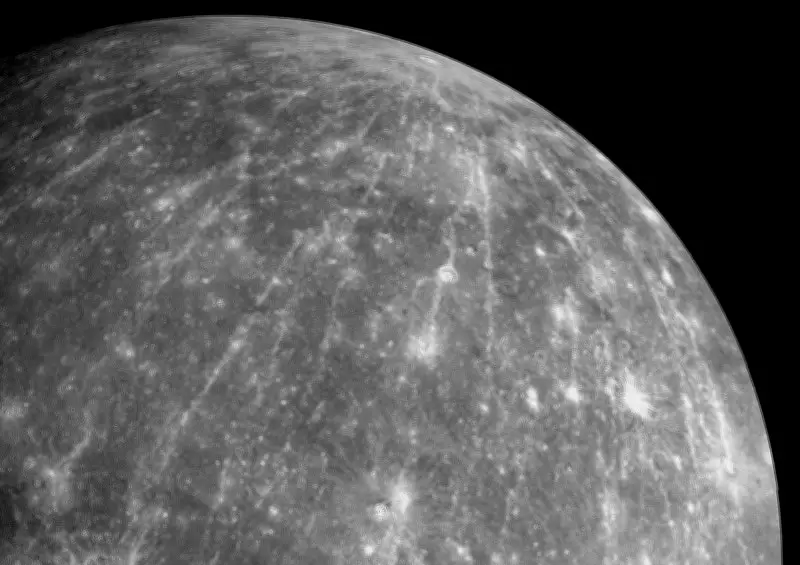
Astronomers have captured the sharpest images yet of the surface of an exoplanet, marking a significant milestone in the study of worlds beyond our solar system. The observations, made using advanced telescopes and imaging techniques, reveal intricate details of the planet's atmosphere and surface, including storm systems and potential volcanic activity.
Breakthrough in Exoplanet Observation
For the first time, scientists have been able to directly observe features on the surface of a planet outside our solar system with unprecedented clarity. The exoplanet, designated as WASP-121b, is a hot Jupiter located approximately 900 light-years away. Using the Hubble Space Telescope and the Very Large Telescope in Chile, researchers were able to map the planet's surface temperature and detect variations that indicate dynamic weather patterns.
Dynamic Weather and Geology
The new images show that WASP-121b has a highly dynamic atmosphere, with powerful winds and extreme temperature swings. The planet's surface temperature ranges from 2,500 to 3,500 degrees Celsius, hot enough to vaporize metals. The observations also suggest the presence of clouds made of iron and corundum, the mineral that forms rubies and sapphires. Additionally, the data indicate possible volcanic activity, with plumes of gas and dust rising from the surface.

This breakthrough was made possible by combining data from multiple telescopes and using advanced image processing techniques. The team of international astronomers, led by Dr. Lisa Schmidt from the University of Cambridge, employed a method called 'phase curve analysis' to isolate the planet's light from its star. This allowed them to create a detailed map of the planet's surface brightness and temperature.
Implications for Exoplanet Research
The findings provide new insights into the atmospheric and geological processes of exoplanets. Understanding these processes is crucial for identifying potentially habitable worlds. While WASP-121b is far too hot to support life, the techniques developed for this study can be applied to smaller, cooler planets in the future.
Dr. Schmidt commented, 'This is a huge step forward in exoplanet science. We are now able to see the surface of a distant world, not just infer its properties from its atmosphere. This opens up a new era of direct observation.'
Future Observations
The team plans to continue monitoring WASP-121b to track changes in its weather patterns and surface features over time. They also hope to use the James Webb Space Telescope to obtain even more detailed observations in the near future. The success of this study demonstrates the power of combining multiple observatories and techniques to push the boundaries of what we can learn about exoplanets.
This research was published in the journal Nature Astronomy and has been hailed as a landmark achievement in the field. As technology continues to advance, astronomers are optimistic that they will soon be able to study the surfaces of Earth-like exoplanets, bringing us closer to answering the age-old question: Are we alone in the universe?