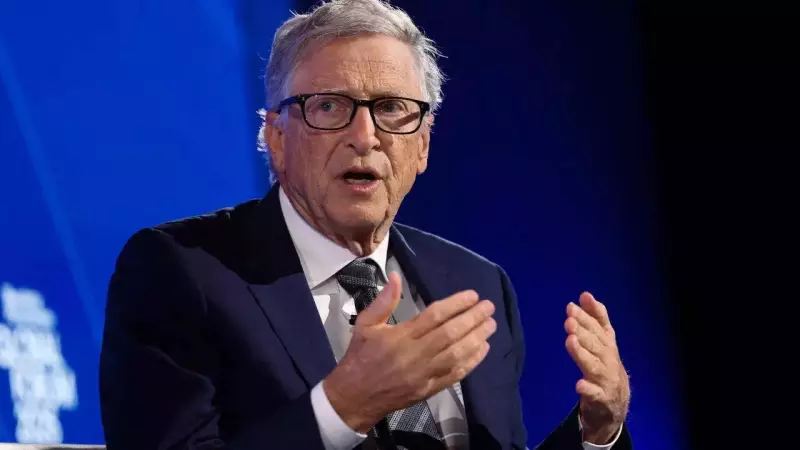
Bill Gates Sounds Alarm on AI's Rapid Transformation of Society
Artificial intelligence has moved far beyond theoretical discussions at tech conferences. It now actively shapes our daily lives in countless quiet ways. From the customer support chatbots we encounter to the recommendation engines suggesting our next purchase, from coding assistants to medical research breakthroughs, AI has become an integral part of how modern work gets accomplished.
According to Bill Gates, this transformation is about to accelerate dramatically. In his latest annual letter titled "The Year Ahead," the Microsoft co-founder delivers a clear and urgent message. He states that artificial intelligence will reshape society and employment faster than most people currently anticipate.
AI's Unprecedented Speed and Scope
Gates brings decades of experience observing how technology transforms economies and daily existence. He emphasizes that AI represents something fundamentally different from previous waves of innovation. The change is not merely faster but also broader in its potential impact.

The billionaire philanthropist argues that artificial intelligence could affect more aspects of society than any previous human-made tool. He points to tangible progress already occurring across multiple fields. AI is accelerating disease research at remarkable speeds, improving climate modeling capabilities, and expanding access to digital education worldwide.
Tasks that once required years of human effort can now be completed in months, sometimes even weeks. For Gates, this demonstrates AI's genuine potential to solve difficult global problems when applied thoughtfully and ethically.
The Dual Nature of AI's Promise and Peril
Despite his technological optimism, Gates issues serious warnings alongside his hopeful outlook. He stresses that hope alone cannot serve as an effective strategy. Current institutions, governments, and workers remain largely unprepared for the rapid changes approaching.
Without careful planning and proactive measures, the swift adoption of AI technologies could leave many people economically and socially disadvantaged. Gates emphasizes that both the benefits and risks of artificial intelligence are equally real, and ignoring either aspect would constitute a serious mistake.
Growing Concerns About AI Misuse
One of Gates' primary concerns involves how advanced AI tools might be misused. As these technologies become more accessible, the barriers to harmful applications decrease significantly. He has specifically warned that open-source AI systems could be exploited by malicious actors, including non-state groups.
The Microsoft founder raises particular alarms about biological threats. He suggests that AI-assisted misuse could potentially create risks even greater than naturally occurring pandemics. This represents more than casual speculation. It reflects growing apprehension among researchers that powerful tools in the wrong hands could scale harm at unprecedented rates.
Gates argues that global cooperation has become essential. He calls for clear international rules, effective oversight mechanisms, and robust governance structures. At the same time, he acknowledges the inherent tension in regulation. Excessive restrictions might slow beneficial innovation, while insufficient safeguards could invite significant danger. Finding the appropriate balance presents a substantial challenge.
Impending Job Market Disruption
Employment sits at the center of Gates' warnings. He explains that AI makes it possible to produce more goods and services with reduced human labor. This fundamental reality will inevitably change how companies hire employees and how society values different types of work.
Some effects are already visible today. In software development, AI tools help programmers write, test, and maintain code much faster. Gates notes that developers can achieve significantly higher productivity levels, which lowers costs and reshapes team structures across the technology industry.
He also points to sectors like warehouse operations and telephone-based customer service. As AI systems continue improving, these roles will likely face increasing pressure. Automation will not arrive all at once, but it will advance steadily across multiple industries.

Gates does not frame this transformation as inevitable doom. Instead, he presents it as a significant disruption requiring thoughtful preparation and strategic adaptation.
Potential Changes to Work Patterns and Productivity
Beyond potential job losses, Gates discusses how work itself might fundamentally change. If AI boosts productivity sufficiently, shorter workweeks could become economically feasible. The same output might require fewer hours, creating appealing possibilities for work-life balance.
However, Gates carefully avoids presenting this outcome as automatic or guaranteed. Whether these productivity gains benefit most people depends heavily on policy choices. Critical questions emerge about who owns the productivity gains and how companies distribute them.
Without thoughtful decisions, Gates warns that efficiency improvements could concentrate wealth rather than spreading it broadly. This is where governments and institutions play crucial roles. Artificial intelligence alone will not deliver fairness or equitable outcomes. People must consciously decide how to distribute the gains that AI creates across society.
The Microsoft co-founder's message combines cautious optimism with practical urgency. He recognizes artificial intelligence's tremendous potential while insisting that society must prepare for its rapid and widespread impacts. The coming years will test whether humanity can harness this powerful technology for broad benefit while managing its substantial risks effectively.