In a significant clarification, the Canadian government has stated it is not considering a ban on the social media platform X, formerly known as Twitter. The statement comes amid global scrutiny over the platform's handling of AI-generated explicit content.
Minister Clarifies Stance on Platform Ban
Evan Solomon, the Member of Parliament for Toronto Centre and Canada's Minister of Artificial Intelligence and Digital Innovation, directly addressed the speculation. He used the X platform itself to dismiss reports of a potential ban. "Contrary to media reports, Canada is not considering a ban of X," Solomon wrote in a post.
His clarification was linked to an earlier post where he detailed the government's legislative focus: introducing a bill to amend the country's Criminal Code to specifically address the threat of deepfakes. Solomon emphasized the serious nature of the issue, calling deepfake sexual abuse a form of violence that requires urgent action to protect Canadians, particularly women and young people, from exploitation.

Legislative Push Against Deepfake Abuse
The Canadian government's primary action will be legal, not prohibitive against the platform. Solomon outlined the planned Bill C-16, the Protecting Victims Act. This proposed legislation aims to amend the Criminal Code to classify deepfakes as intimate images. This change would make the non-consensual publication of such AI-generated material a criminal offence.
"We will keep Canadians safe by amending the criminal code and holding abusers accountable," the Minister asserted, shifting the regulatory focus from platform bans to holding individual perpetrators responsible under the law.
Global Backlash Against X and Grok AI
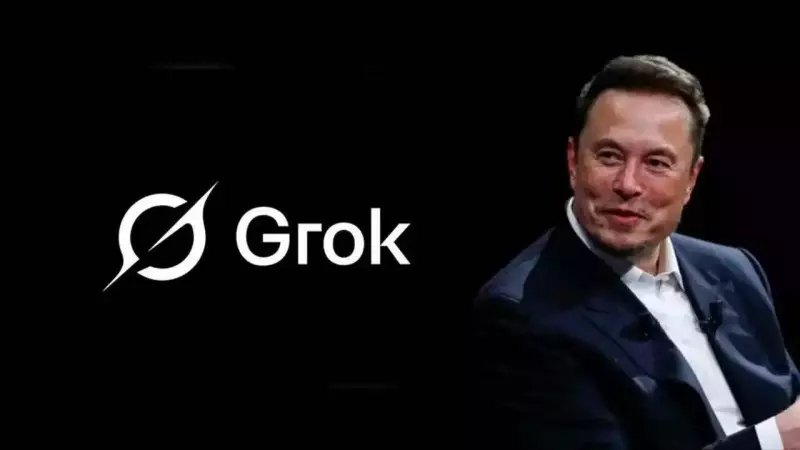
The context for this Canadian legislative move is a growing international crisis involving X and its integrated AI chatbot, Grok. Both have faced severe criticism and user backlash for allegedly facilitating the creation of non-consensual explicit images, often targeting women and children. This controversy has prompted governments worldwide, including India, the US, and the UK, to consider stronger regulatory measures.
The pressure intensified recently when three US Senators – Ron Wyden of Oregon, Ed Markey of Massachusetts, and Ben Ray Luján of New Mexico – took direct action. They sent a formal letter to Apple CEO Tim Cook and Google CEO Sundar Pichai. The senators urged the tech giants to "immediately remove" the X and Grok apps from their respective app stores.
The letter, reviewed by CNBC, accused the apps of allowing users to "generate and distribute illegal content." The senators argued that failing to act on what they called X's "serious violations" would render the content moderation policies of Apple and Google meaningless. In a sharp retort to this move, Elon Musk claimed the underlying reason for the attack was a dislike for "free speech."
Implications for Platform Governance
The developments highlight a diverging approach to tech regulation. While Canada is opting for traditional legal reform to tackle a new digital crime, US lawmakers are applying pressure through the control points of major app distribution platforms. The situation underscores the ongoing global struggle to balance innovation, free expression, and user safety in the age of advanced generative AI. The outcome of Canada's Bill C-16 and the response of Apple and Google to the US senators' demands will be closely watched as precedent-setting actions.