

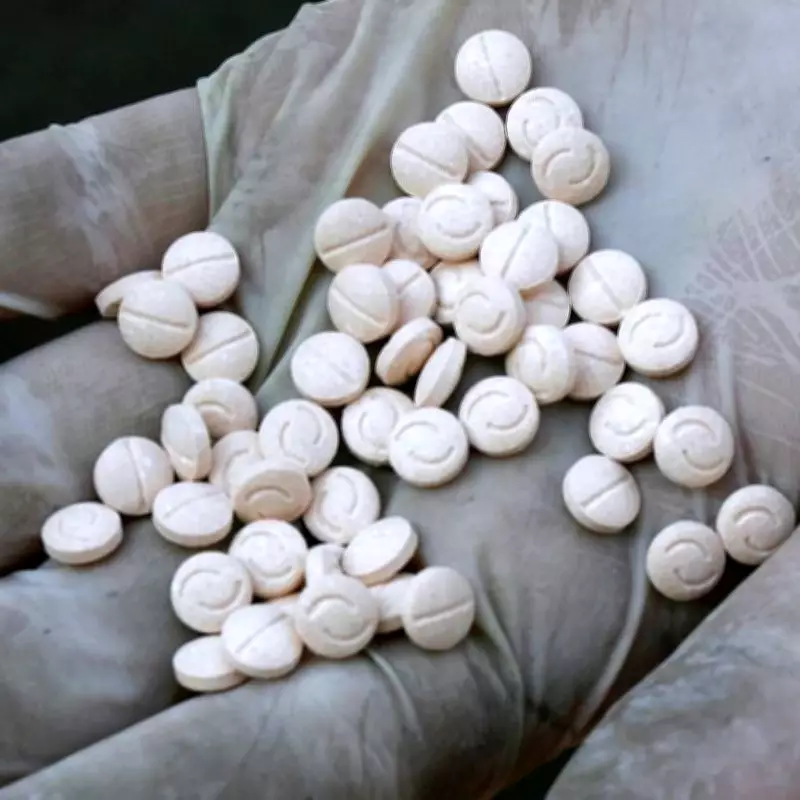
Captagon, a synthetic amphetamine-type stimulant, has gained notoriety as the 'jihadi drug' due to its widespread use among militant groups in the Middle East. Originally developed in the 1960s for treating narcolepsy and ADHD, it was banned globally due to its high addiction potential and severe side effects. However, illicit production has surged, particularly in Syria and Lebanon, with the drug fueling conflicts and funding terrorist activities. Now, law enforcement agencies report that Captagon is knocking on India's door, posing a serious threat to national security and public health.
What is Captagon?
Captagon, chemically known as fenethylline, is a synthetic drug that produces effects similar to amphetamines. It induces alertness, euphoria, and increased energy, but also leads to aggression, paranoia, and psychosis. The drug is often taken orally in pill form and is known for its ability to keep users awake and active for extended periods, making it popular among combatants in conflict zones. Long-term use can cause severe physical and mental health issues, including heart problems, stroke, and permanent brain damage.
How Captagon Became the 'Jihadi Drug'
The drug's association with jihadism dates back to the Syrian civil war, where it was used by fighters to enhance endurance and reduce fear. Reports indicate that Islamic State (ISIS) militants frequently used Captagon to commit atrocities while under its influence. The drug trade has become a major source of revenue for terrorist groups, with production facilities operating in war-torn regions. According to the United Nations Office on Drugs and Crime (UNODC), Captagon seizures have skyrocketed in recent years, with billions of pills intercepted globally.

Captagon's Entry into India
India has witnessed a worrying trend of Captagon seizures, particularly at airports and ports. In 2023, customs officials confiscated over 2.5 million Captagon pills at the Mundra port in Gujarat, marking one of the largest hauls in the country. The pills were hidden in consignments of gypsum and other materials, highlighting the sophisticated smuggling networks involved. Intelligence agencies suspect that the drug is being routed through India to other destinations, but a portion is also being diverted for domestic consumption.
Modus Operandi of Traffickers
Traffickers employ various methods to smuggle Captagon into India, including concealment in cargo, courier packages, and even diplomatic baggage. The drug is often produced in clandestine labs in the Middle East and then shipped via sea routes to Indian ports. From there, it is distributed to local networks and potentially to other countries in South Asia. The involvement of organized crime syndicates and terror groups makes the interception challenging for law enforcement.
Health and Social Impact
The arrival of Captagon in India poses significant public health risks. The drug's addictive nature can lead to a surge in substance abuse cases, overwhelming healthcare systems. Moreover, the associated violence and criminal activities can destabilize communities. The youth are particularly vulnerable, as the drug is often marketed as a performance enhancer for students and athletes. Education and awareness campaigns are crucial to prevent its spread.
Government Response
The Indian government has taken steps to combat the Captagon threat. The Narcotics Control Bureau (NCB) has intensified surveillance at entry points and strengthened coordination with international agencies like the UNODC and Interpol. The Home Ministry has also issued advisories to state police forces to remain vigilant. However, experts argue that a more comprehensive approach is needed, including stricter border controls, intelligence sharing, and legal measures to deter trafficking.
International Context
Globally, Captagon has become a major concern. The UNODC estimates that the illicit Captagon trade is worth billions of dollars annually, with the Middle East being the primary market. However, seizures in Europe and Asia indicate a widening network. The drug's connection to terrorism adds a layer of complexity, as profits from Captagon sales are used to fund extremist activities. International cooperation is essential to dismantle these networks and curb production.

Conclusion
Captagon's emergence as a 'jihadi drug' and its infiltration into India represent a multifaceted challenge. It is not merely a public health issue but also a security threat that requires a coordinated response. By understanding the drug's origins, trafficking routes, and impacts, authorities can better devise strategies to protect the nation. Public awareness, robust law enforcement, and international collaboration are key to keeping this menace at bay.





