

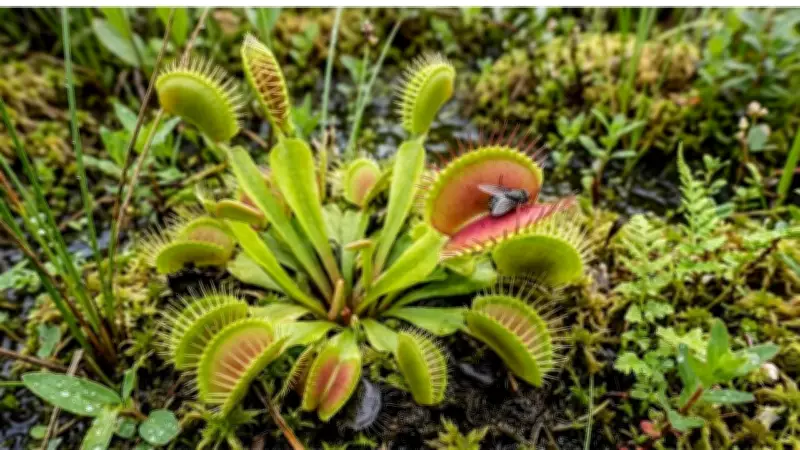
Carnivorous plants are gaining popularity in city homes as more people look for practical solutions to everyday urban problems. With limited space, rising stress levels, and frequent indoor pest issues, urban living often requires smart and low-maintenance alternatives. These unique insect-eating plants are emerging as a natural option that combines functionality with visual appeal. Unlike traditional houseplants, carnivorous plants help control small insects such as flies and gnats, making them especially useful in compact homes and apartments. At the same time, they add a distinctive touch to interiors, fitting well into modern urban lifestyles. As interest in indoor greenery and wellness continues to grow, carnivorous plants are becoming a preferred choice for those seeking both purpose and style in their living spaces.
Why Carnivorous Plants Are the Future of Urban Pest Control and Wellness
Modern urban living comes with its own set of challenges: compact homes, limited ventilation, and frequent indoor pest issues. At the same time, people are increasingly turning to indoor plants for mental well-being. According to a study by the National Library of Medicine titled "Interaction with indoor plants may reduce psychological and physiological stress by suppressing autonomic nervous system activity in young adults," plants in living spaces can help people feel "more comfortable, soothed and natural," with studies linking them to reduced stress and improved focus.
Natural Pest Control Through Carnivorous Plants
Unlike regular plants, these species actively trap and digest insects. According to the National Library of Medicine study titled "The Venus flytrap attracts insects by the release of volatile organic compounds," they "capture and digest insects," making them a natural way to deal with indoor pests. From Venus flytraps snapping shut to pitcher plants trapping in their tubes, these plants act like self-sustaining pest control systems. This change can even be seen in trends in urban gardening.

The Aesthetic and Lifestyle Appeal of Carnivorous Plants
Carnivorous plants are more than just useful; they also fit in with modern life. They are visually striking, a little unusual, and instantly catch attention. Whether it is a Venus flytrap on a desk or a pitcher plant by the window, they are often a conversation starter in any space. Because they are compact, these plants are ideal for apartments, balconies, or even workstations. According to reports, they also have a unique appearance that brings personality to interiors and are especially popular with younger homeowners and plant lovers looking for something a little more interesting than the usual houseplants. On a more general level, this trend is also related to the growing interest in health and indoor greenery.
The Rising Trend of Carnivorous Plants
The rise in popularity of carnivorous plants is not just a random trend; it is connected to the way life in cities is changing. People today want smart, simple solutions that work in smaller homes and with busier schedules. They want plants that do not take up a lot of room, do not need a lot of care, and still make their home feel more special. That is where carnivorous plants really shine. They are easy to care for, fit easily on a windowsill or desk, and can even help keep small indoor pests under control without the use of sprays or chemicals.






