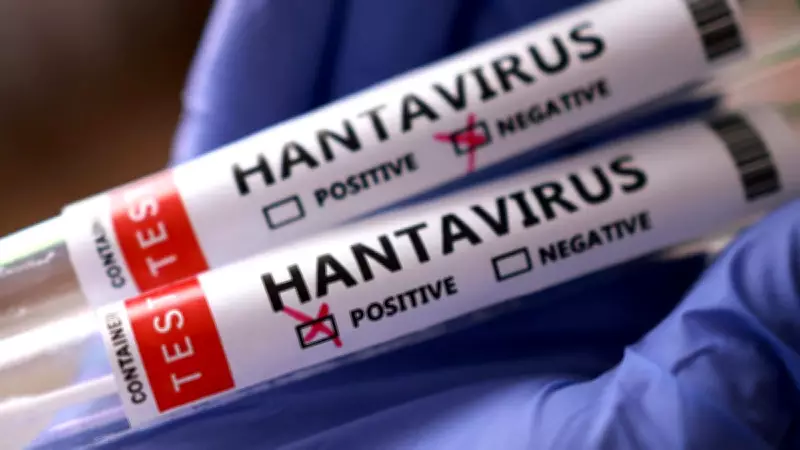
Hantavirus, a viral disease primarily transmitted through rodents, has sparked global concern after a rare instance of human-to-human transmission was documented. This development has led to questions about whether the virus could trigger a pandemic similar to COVID-19.
Understanding Hantavirus
Hantaviruses are a family of viruses spread mainly by rodents, particularly mice and rats. They can cause two severe illnesses: hemorrhagic fever with renal syndrome (HFRS) and hantavirus pulmonary syndrome (HPS). HPS is a rare but often fatal respiratory disease, with symptoms including fever, muscle aches, and shortness of breath. The virus is typically transmitted through inhalation of dust contaminated with rodent urine, droppings, or saliva.
Rare Human-to-Human Transmission
Historically, human-to-human transmission of hantavirus has been extremely rare. However, a recent case reported in the news marks the first documented instance of such transmission, raising alarms among public health officials. The infected individual was a woman who contracted the virus after close contact with another patient, suggesting that under certain conditions, the virus may adapt to spread among humans.

Pandemic Potential Compared to COVID-19
Experts emphasize that the risk of hantavirus causing a pandemic akin to COVID-19 remains low. Key differences include:
- Transmission efficiency: Hantavirus does not spread as easily via respiratory droplets as SARS-CoV-2. Most cases occur through direct contact with rodent waste, not human-to-human contact.
- Incubation period: Hantavirus has a longer incubation period (1-8 weeks), which can limit rapid spread.
- Mortality rate: Hantavirus has a high mortality rate (up to 50% for HPS), which often leads to quicker isolation and containment.
Global Surveillance and Preparedness
The World Health Organization (WHO) and other health agencies are monitoring the situation closely. While the recent human-to-human case is concerning, it does not yet indicate sustained transmission. Public health measures focus on rodent control, public awareness, and early detection of cases. The COVID-19 pandemic has highlighted the need for robust surveillance systems and rapid response protocols to prevent future outbreaks.
Conclusion
Although hantavirus poses a serious health threat, its pandemic potential remains limited compared to COVID-19. Continued vigilance and research are essential to understand the virus's evolution and prevent any future public health emergencies.