

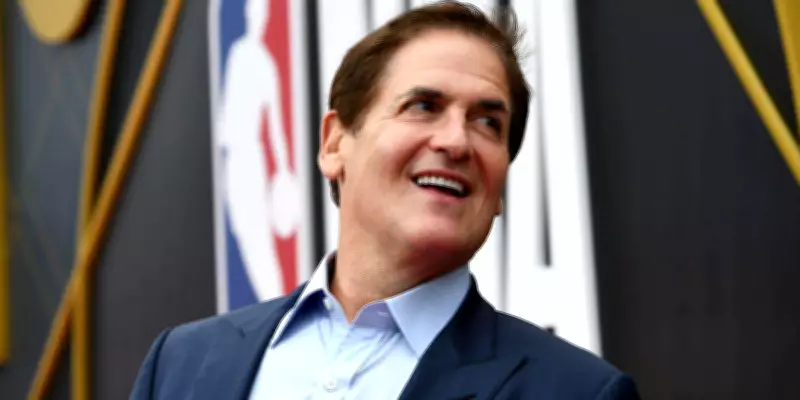
Mark Cuban Challenges Elon Musk's Vision of an 'Optional Work' Future
In a striking public rebuttal, American billionaire and entrepreneur Mark Cuban has directly confronted Tesla CEO Elon Musk's assertion that "working will be optional in the future." Through a detailed social media post on X, formerly Twitter, Cuban articulated a series of potential dangers that corporations might encounter as humanoid robots and artificial intelligence increasingly supplant human labor.
A Mock IPO Filing Highlights Systemic Risks
Cuban crafted a hypothetical IPO risk disclosure document, warning that governments could impose unforeseen and disruptive taxes in response to automation. He specifically mentioned possibilities like a robot utilization tax or a token utilization tax, which he argued might "completely change the economics of our industry" and severely impact profitability and shareholder returns.
Furthermore, Cuban raised alarms about market infrastructure vulnerabilities. He suggested that major platforms like Nasdaq might fail to implement AI systems effectively, potentially rendering a company's stock untradable. As a contingency plan, he proposed tokenization on a blockchain created by Grok, Musk's AI chatbot, which could be activated if necessary.

AI's Role and Legal System Challenges
Intriguingly, Cuban revealed that approximately 87% of his mock prospectus was generated by Grok, offering what he called a glimpse into the future of Securities and Exchange Commission (SEC) disclosures. He described the existing legal frameworks surrounding securities and contracts as "insane" and outdated, asserting that automation will compel regulators to fundamentally rethink compliance protocols.
Cuban's cautions resonate with broader financial sector dialogues. For instance, venture capitalist Tim Draper recently told Benzinga that he envisions conducting all capital raising, employee payments, and tax settlements through Bitcoin blockchain smart contracts. This underscores how automation risks are already being debated at the highest echelons of finance.
Context of SpaceX's Anticipated IPO
Cuban's commentary emerges amid reports that Musk is considering an unusually large retail allocation—potentially up to 30%—for the upcoming SpaceX IPO, compared to the typical 5–10% in U.S. listings. With evident skepticism, Cuban quipped that he "can't wait to read the IPO risk filing," highlighting his doubts about Musk's optimistic vision of a work-optional future.
The mock filing elaborates on several critical risks:
- Process Overhaul: Organizations may need to completely recreate all processes within four years to optimize human replacement by humanoids and AI, facing competitive and customer risks.
- Intellectual Property Dependency: Success hinges on acquiring or synthesizing IP to train AI models like Grok for company operations.
- Tax Uncertainties: If work becomes optional, unpredictable new taxes from various government levels could disrupt industry economics.
- Market Infrastructure Failures: AI-driven markets might struggle, with platforms like Nasdaq potentially unable to facilitate stock trading.
- Disclosure Evolution: The prospectus, largely AI-generated, signals a future where SEC disclosures and contractual protections become increasingly complex.
Cuban concluded by emphasizing the rapid pace of change, stating, "The future is now. Our legal system is yesterday." This clash between two prominent tech figures underscores the urgent need to address the profound economic, regulatory, and social implications of advancing automation and artificial intelligence.






