

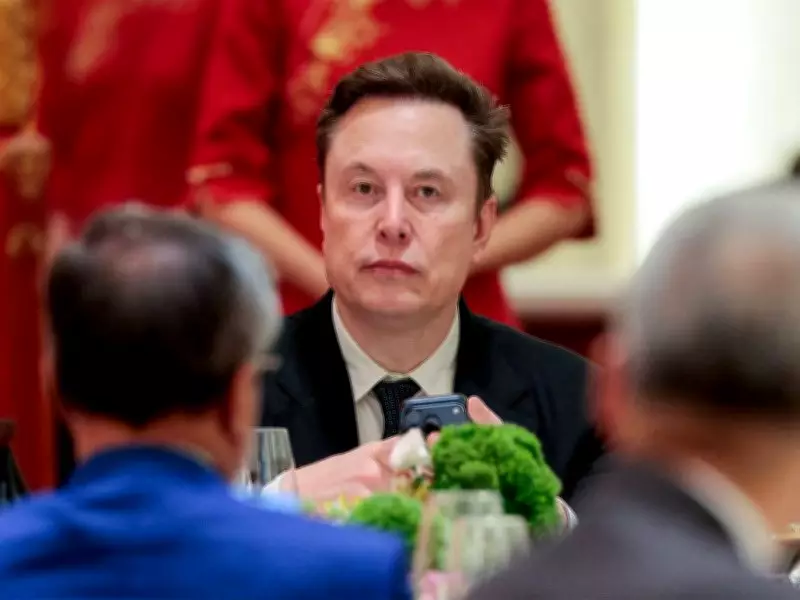
A jury has dismissed Elon Musk's lawsuit against OpenAI, the artificial intelligence research organization he co-founded, ruling that the claims were barred by the statute of limitations. The decision marks a significant legal setback for Musk, who had accused OpenAI of breaching its founding principles by prioritizing profits over public benefit.
Background of the Lawsuit
Musk filed the lawsuit in February 2024, alleging that OpenAI and its CEO Sam Altman had violated the terms of the company's original nonprofit mission. He claimed that OpenAI's partnership with Microsoft and its shift toward for-profit operations constituted a breach of contract and unfair competition. The lawsuit sought to force OpenAI to return to its nonprofit roots and prevent it from using its technology for commercial gain.
Court Ruling
During a hearing in San Francisco, the jury determined that Musk's claims were time-barred because the alleged violations occurred more than four years before the lawsuit was filed. The statute of limitations for breach of contract and antitrust claims in California is typically four years. The court noted that Musk had been aware of OpenAI's for-profit transition since at least 2019, when the company restructured and accepted a $1 billion investment from Microsoft.

Legal experts observed that Musk's delay in filing the lawsuit undermined his case. "The statute of limitations is a fundamental legal principle, and the court correctly applied it here," said Professor Sarah Johnson of Stanford Law School. "Musk had ample opportunity to challenge OpenAI's actions earlier."
Reactions from OpenAI
OpenAI welcomed the ruling, stating that it vindicated the company's position. In a statement, the organization said: "We are pleased that the court has dismissed this baseless lawsuit. OpenAI remains committed to its mission of ensuring that artificial general intelligence benefits all of humanity." The company emphasized that its partnership with Microsoft has accelerated research and development while maintaining safety standards.
Implications for Musk
The loss is a blow to Musk's efforts to influence the direction of AI development. He has been a vocal critic of OpenAI's trajectory, warning that commercial pressures could lead to unsafe AI. However, the ruling does not prevent Musk from pursuing other legal avenues or advocating for AI regulation through his own ventures, such as xAI.
Musk's legal team indicated that they are considering an appeal. "We disagree with the court's interpretation of the statute of limitations and will explore all options," said attorney Lisa Chang. The case highlights the complexities of enforcing nonprofit missions in the rapidly evolving AI industry.
Broader Context
The dispute between Musk and OpenAI reflects ongoing tensions in the tech world over the balance between profit and public good. OpenAI was founded in 2015 as a nonprofit with the goal of developing AI safely and transparently. However, the high cost of AI research led to the creation of a for-profit arm in 2019, which Musk argued was a betrayal of the original vision.
- Key Allegations: Musk claimed OpenAI violated its charter by licensing technology to Microsoft and not making its research publicly available.
- Defense Argument: OpenAI countered that the restructuring was necessary to attract capital and talent, and that it still adheres to its safety principles.
- Outcome: The jury sided with OpenAI, emphasizing that Musk waited too long to bring his claims.
The case has drawn attention to the legal challenges of regulating AI companies and the importance of timely legal action. As AI continues to advance, similar disputes may arise over the interpretation of founding documents and commitments.






