

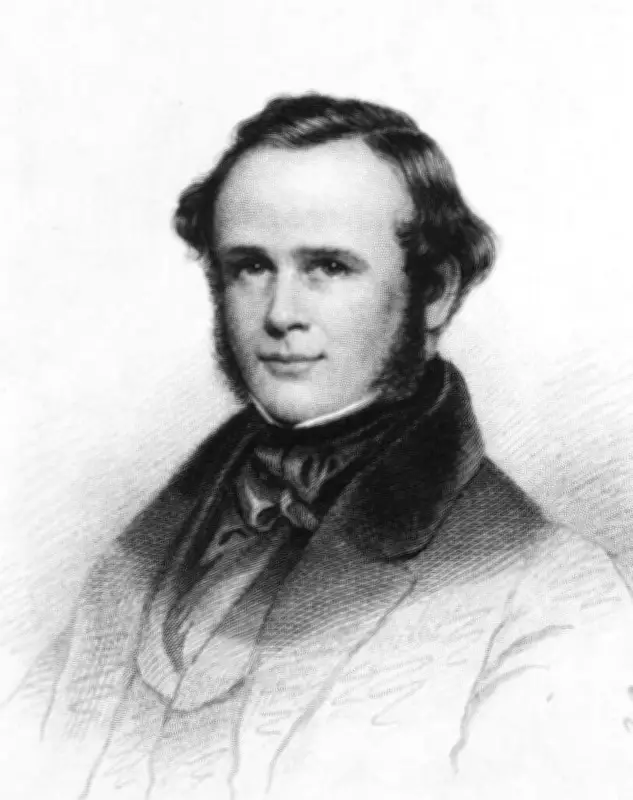
Imagine an event where performers inhale nitrous oxide, stumble around, and entertain the audience. In the mid-1800s, such gas parties were common in traveling shows, making volunteers euphoric and lightheaded amidst cheers. However, on a cold winter night in 1844, dentist Horace Wells made a groundbreaking observation. He watched a man consume gas, stumble, and hit his leg on a sturdy bench, yet continue laughing, unaware of his injury.
The Birth of a Revolutionary Idea
From this incident, Wells conceived a radical notion: if a whiff of gas could alleviate the pain of a shin injury, perhaps it could ease the agony of dental procedures. At the time, surgeries were harrowing experiences, with patients tied down, screaming in pain. Wells took matters into his own hands, becoming the first to test his theory on himself. The next day, he had a colleague extract his tooth while under the influence of nitrous oxide, feeling no pain at all.
From Carnival Entertainment to Medical Innovation
It was no coincidence that this discovery came from a man who entertained crowds at carnivals. This shift represented a monumental change in how physicians viewed human pain, which had been considered an inevitable part of surgery. According to a Cureus journal article, Wells was the first physician to appreciate the therapeutic value of nitrous oxide, recognizing that it impacted the central nervous system, thereby reducing sensations.

Convinced he had found the key to pain-free surgery, Wells arranged a public demonstration at Harvard Medical School in Boston. However, the demonstration failed. When he applied the gas to a volunteer, the patient screamed in pain, possibly due to incorrect dosage or an unexpected reaction. The audience of medical students laughed in contempt, calling the discovery "humbug." Despite this failure, Wells set a precedent that could not be overturned. The use of anesthesia, particularly ether and chloroform, soon became standard practice worldwide.
The Lasting Contribution of Laughing Gas
Although ether eventually dominated surgical history, nitrous oxide retained its place in dentistry and minor procedures. Its rapid onset and quick dissipation made it an ideal sedative for anxious dental patients. According to Mini-Review: A Brief History of Nitrous Oxide (N2O) Use in Neuropsychiatry, the substance still attracts attention from modern psychologists.
Horace Wells’ story highlights that great achievements often arise from simple observations. He found a connection between joy and pain relief and capitalized on it. While his struggle for recognition during his lifetime was challenging, he is now honored as a pioneer who illuminated the dark world of surgery.
Next time you see a dentist pick up a blue mask or hear the soft hiss of a gas tank, remember the man in a loud theater who saw something amazing in a joke that no one else could see. It is an incredible illustration of what compassion and keen observation can accomplish together.






