Hyderabad Researchers Pioneer AI Tools to Decode the Indian Thali
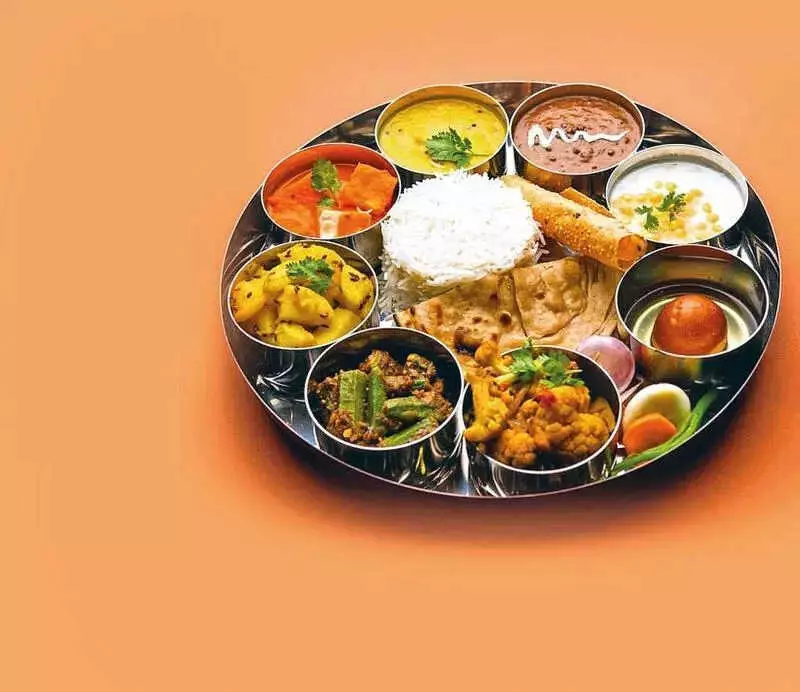
Researchers at the International Institute of Information Technology in Hyderabad are breaking new ground. They are developing advanced tools to analyze the complex textures and diverse ingredients found in a typical Indian thali. This innovative work comes from the Centre for Visual Information Technology. It leverages artificial intelligence to decode Indian food, cooking practices, and cultural nuances. The ultimate goal is to help people track their food intake more accurately.
The Challenge of the Mixed Plate
Professor CV Jawahar, who leads this ambitious project, posed a critical question. "How do you understand what is on a plate of mixed Indian food?" he asked. He described a common scene: rice topped with dal, roti hidden under papad. Determining the nutritional value of such a combined meal is notoriously difficult.
Jawahar emphasized the importance of this research. Most existing food-tracking applications are designed for standardized Western meals. They often fail with the varied, mixed nature of Indian cuisine. "What we are talking about is how a typical Indian meal can be understood and characterised," he explained. This project aims to bridge that significant gap.

From Prototype to Everyday App
The team has already made substantial progress. They authored a research paper titled ‘What is there in an Indian thali’. Yash Arora and Aditya Arun wrote it under Jawahar's guidance. They presented it at the prestigious 16th Indian Conference on Computer Vision, Graphics and Image Processing.
More importantly, the researchers have built a working prototype. This system can analyze an image of an Indian meal and estimate its contents. The current setup uses an overhead camera placed at a kiosk. However, the team has a clear vision for the future. "We want to extend it to an app-based system," said researcher Yash Arora.
To prepare for this mobile transition, the team captured data from multiple angles. This crucial step will enable users to scan their food using a simple phone camera. It moves away from the need for a fixed, overhead setup.
Overcoming Obstacles and Envisioning the Future
The path forward is not without challenges. Food mixing presents a major hurdle. When rice blends with dal, or gravies coat vegetables, it becomes hard to estimate calories and nutrition precisely. The researchers are tackling this problem head-on.
Their ultimate objective is a comprehensive system. It should recognize different food items, estimate their weight accurately, and provide a detailed nutritional breakdown. Professor Jawahar added that they aim for enough accuracy to be useful in everyday life.
Mapping India's Diverse Food Landscape
The project's scope extends far beyond analyzing individual plates. The IIIT Hyderabad team is also creating an ambitious ‘Indian food map’. This map will visually demonstrate how food preparation and ingredients vary across the country's many regions.
To start this mapping process, they focused on one iconic dish: biryani. The researchers developed a system that can directly compare two different recipes. It highlights significant variations in masala preparation. For instance, it can clearly distinguish between the styles of Hyderabadi biryani and Awadhi biryani.
A Broader Vision for AI in the Kitchen
The researchers' long-term vision stretches well beyond simple food analysis. They envisage a future where AI systems actively assist people during the cooking process itself. These intelligent tools could provide real-time guidance, suggest recipe modifications, or help maintain nutritional balance. This work in Hyderabad represents a significant step toward integrating artificial intelligence deeply into daily culinary practices across India.