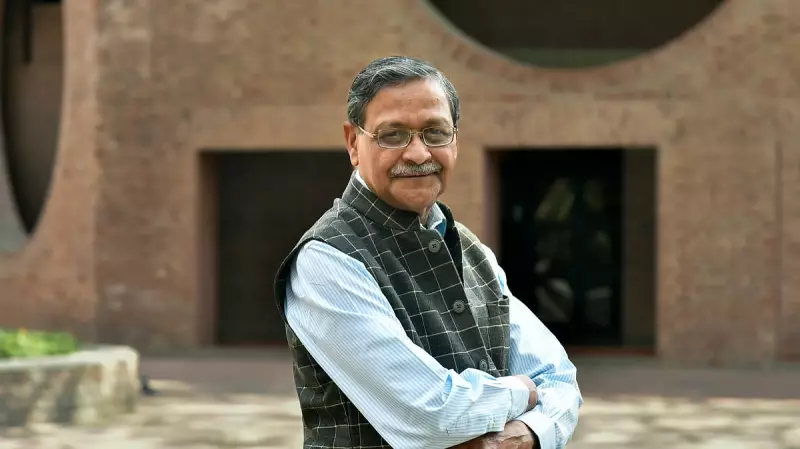
The Director of the Indian Institute of Management (IIM) Ahmedabad has issued a clarion call, stating that India requires a highly skilled workforce to position itself as the premier global infrastructure builder for artificial intelligence (AI). This vision comes as the institute itself takes proactive steps by launching dedicated programs aimed at bridging critical skill shortages in the high-demand fields of AI and business analytics.
Bridging the AI Gap: IIM-A's Proactive Initiative
While the United States and China currently lead in the development of foundational AI models, India is poised to make its mark. The country's much-anticipated, home-grown AI model is reportedly on track for an unveiling by February. Acknowledging the existing lag, IIM Ahmedabad is not waiting on the sidelines. The institute has developed specialized educational programs specifically designed to cultivate the talent needed to compete and excel in the international AI arena. The core objective is to move beyond mere consumption of technology and towards creating the foundational structures that power the AI revolution.
Economic Impact and the Future Job Market
The successful development of a domestic AI ecosystem is expected to have a profound impact on the Indian economy. A robust AI sector will not only drive innovation but also create a new generation of jobs. While the initial focus is often on the tech sector, the ripple effects will be felt across industries, including manufacturing. The manufacturing landscape is set to evolve, generating new roles such as AI-integrated system managers, automation specialists, and data-driven supply chain analysts. These positions will require a blend of technical knowledge and strategic business acumen.

Addressing the Core Challenge: The Skill Deficit
The single biggest hurdle identified is the significant skill gap in the sector. To bridge this divide, a multi-pronged approach is necessary. Academic institutions must overhaul curricula to be more industry-relevant and focused on applied learning. Furthermore, there is a need to foster a stronger culture of innovation and research within university campuses. Currently, a disconnect between academic research and commercial application results in fewer successful innovations emerging from Indian universities. By strengthening industry-academia partnerships and incentivizing translational research, India can unlock its vast potential and produce world-class AI talent and technology.